
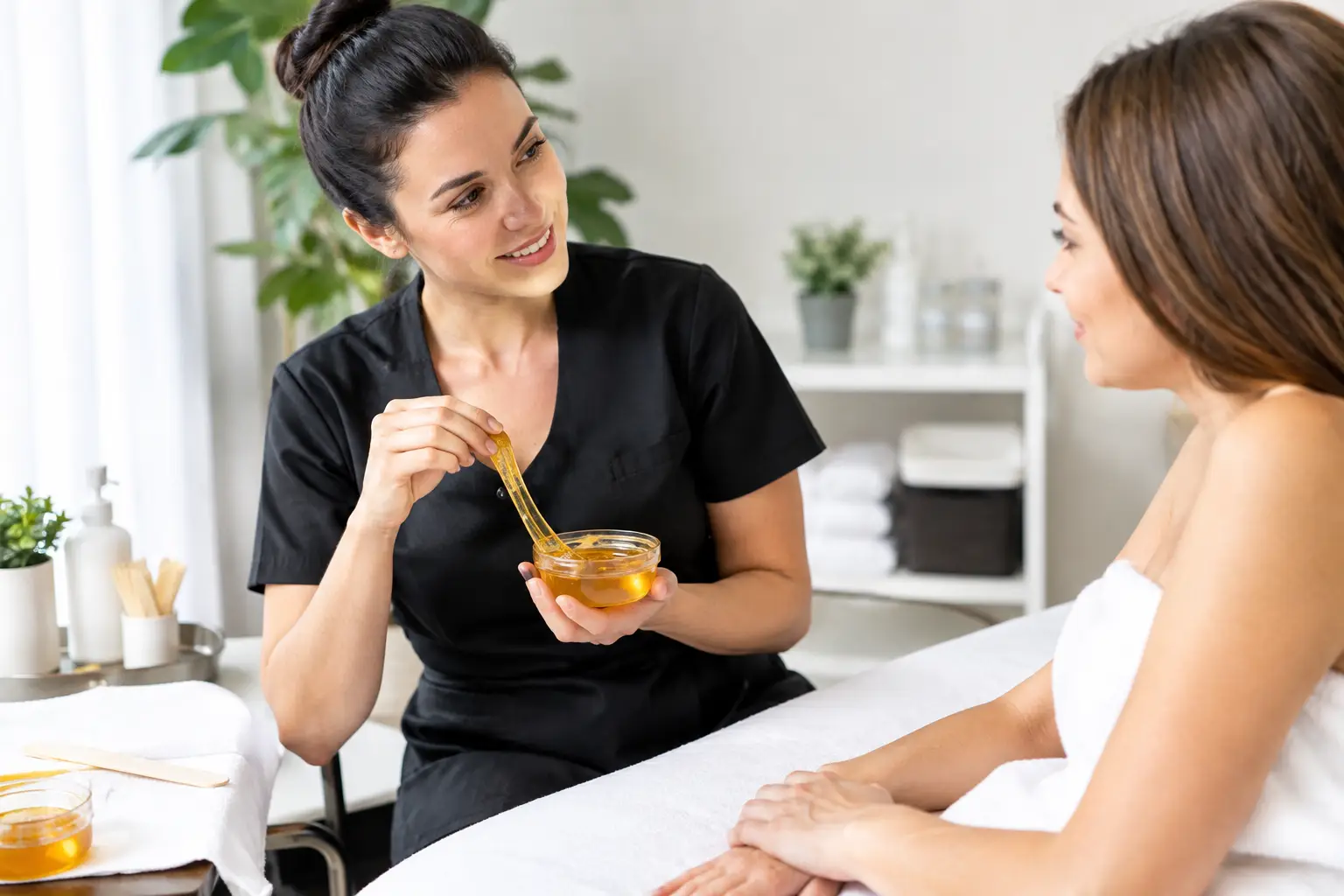
A thoughtful consultation can change the entire feel of a sugaring appointment. Before a client steps onto the treatment bed, they should know they are in capable hands, that their comfort matters, and that they will not be judged for their hair, skin, questions, or nerves. For practitioners, a consistent consultation creates the information and trust needed to deliver safe, personalized care.
This guide to client sugaring consultations is designed for practitioners who want their service to feel polished from the first conversation onward. It is not about rushing through a waiver or memorizing a script. It is about learning how to listen, assess, educate, and set expectations with calm professional confidence.
Why the Consultation Is Part of the Service
A client consultation is not paperwork standing between you and the treatment. It is the beginning of the treatment. It gives you a chance to understand the client’s goals, identify factors that may affect their skin or comfort, and explain what they can expect before, during, and after their appointment.
This matters especially for first-time clients and intimate services. Someone may arrive excited but anxious, or confident but unsure how to prepare. They may have sensitive skin, be pregnant, be returning to hair removal after a break, or be working through a health or medication change. A warm, informed consultation helps them feel cared for rather than processed.
It also protects the quality of your work. When you know the client’s history and expectations, you can choose the right approach, pace the service appropriately, and recommend a realistic maintenance schedule. Great results begin with good information.
Create a Consultation Process You Can Repeat
Your approach should be consistent enough that no key detail gets missed, while still sounding like a real conversation. A digital intake form completed before the appointment can be useful, but it should never replace speaking with the client in person. Review their answers together, invite questions, and confirm anything that could affect the service.
Begin with open language. Instead of asking, “Is this your first time?” and moving on, try: “Tell me a little about what you are hoping for today and what experience you have had with hair removal.” This gives clients room to share what is relevant, including concerns they may not know to mention on a form.
For returning clients, do not assume their needs are unchanged. A quick check-in can reveal new medications, recent skin sensitivity, changes in their goals, or a different comfort level. A client who felt fine six weeks ago may need a modified approach today.
Ask About Skin, Health, and Current Care
A professional consultation includes a respectful review of factors that can influence the treatment area. Ask about current skin concerns, recent irritation, sun exposure, allergies, topical products, prescription medications, and any health considerations relevant to the service. Keep your questions clear and matter-of-fact. Clients do not need a lecture, and they should never feel embarrassed for answering honestly.
Explain why you are asking. A simple statement such as, “I ask these questions so I can make the service as comfortable and skin-conscious as possible,” reinforces that the conversation is about their well-being.
If you identify a concern that makes treatment unsuitable that day, be direct and kind. Postponing or modifying a service is not a failure. It is a sign of sound professional judgment. Let the client know what you observed, why you recommend waiting or adjusting the plan, and what they can do before returning.
Clarify the Client’s Goal
Not every client wants the same result. Some want a clean, long-lasting feeling before a vacation. Others are building a regular routine and want to understand how timing affects their results. Some want a small amount of hair left in a particular area. Never make assumptions based on the service name alone.
Use specific, neutral questions: “Would you like everything removed from this area, or would you prefer to leave some hair?” “Is there a shape or finish you have in mind?” “Are you looking for a one-time appointment or a maintenance routine?” Repeat their preference back before you begin, especially when the service is customized.
This step prevents awkward misunderstandings and helps clients feel fully in control of their appointment.
Set Honest Expectations About Comfort and Results
Clients deserve reassurance, but they also deserve honesty. Sugaring can remove hair effectively from a short length, and consistent appointments often support smoother-looking skin and easier maintenance over time. Still, individual experiences vary based on hair growth, sensitivity, appointment timing, home care, and whether the client is new to the service.
Avoid promising a completely sensation-free appointment or identical results for every body. Instead, explain what you will do to support comfort: work in manageable sections, communicate before you begin, check in throughout the service, and adjust as needed. Let clients know that their first appointment may feel different from future maintenance visits.
A calm explanation can lower anxiety considerably. Tell a nervous client that they can ask for a pause at any time. Remind them to breathe rather than brace against the treatment. When appropriate, guide them through positioning so they feel supported, not exposed or rushed.
Explain Hygiene With Confidence
Clients may not always know what sanitation questions to ask, but they notice when a practitioner is meticulous. Your consultation is an ideal time to share the care behind your standards without overwhelming them with technical language.
Explain that the treatment area is prepared before service and that professional sugaring practices are designed to prevent cross-contamination. If a client asks about your product, you can describe the sugar paste in straightforward terms: an all-natural, biodegradable paste that is gentle in approach and suited to skin-conscious hair removal when used with proper technique.
Keep your workspace equally communicative. A clean, organized room, fresh linens, proper hand hygiene, and clear preparation practices build trust before you say a word. Professionalism is felt as much as it is explained.
Give Aftercare That Fits the Individual
Aftercare should not be a generic speech delivered as the client is walking out the door. Tailor it to the area treated, the client’s skin, and their routine. The goal is to help them protect their fresh, smooth skin and reduce avoidable irritation.
Keep instructions focused and practical. Let clients know when to avoid friction, heat, heavy sweating, or strongly fragranced products, and explain when gentle exfoliation may be appropriate. If they are prone to ingrown hairs or dryness, discuss a simple home-care rhythm rather than recommending too many steps at once.
This is also the right time to discuss rebooking. For a client hoping to maintain consistent results, explain the value of returning on a schedule that matches their hair growth cycle. Be clear that timing can differ from person to person. Your recommendation should feel informed, not pressured.
Build Consent Into Every Stage
Consent is ongoing, not a one-time signature. Before beginning, confirm the service and desired result. During the appointment, communicate what you are doing and check in when moving to a new or more sensitive area. If the client seems tense, quiet, or uncertain, pause and ask how they are doing.
Professional confidence does not mean pushing ahead without conversation. It means leading the appointment with clarity while making room for the client’s boundaries. A client should always know they can change their mind, request a break, or ask a question.
This approach is especially meaningful for clients who feel vulnerable about their body or who are trying an intimate service for the first time. When they feel respected, they are more likely to return, refer others, and develop a trusting relationship with you.
Make Notes That Improve Future Visits
After the client leaves, document the details that will help you provide better care next time. Record the service performed, their preferences, relevant skin observations, products used, aftercare discussed, and anything they want adjusted at the next appointment.
Keep notes factual, respectful, and useful. They are not a place for personal judgments. Good client records allow you to greet a returning guest with continuity: you remember their preferred finish, their sensitivity concerns, and what made their last appointment more comfortable.
A strong consultation is one of the clearest ways to show that sugaring is skilled personal care, not a one-size-fits-all service. When clients feel heard, informed, and safe, smooth skin becomes only one part of the experience they remember.