
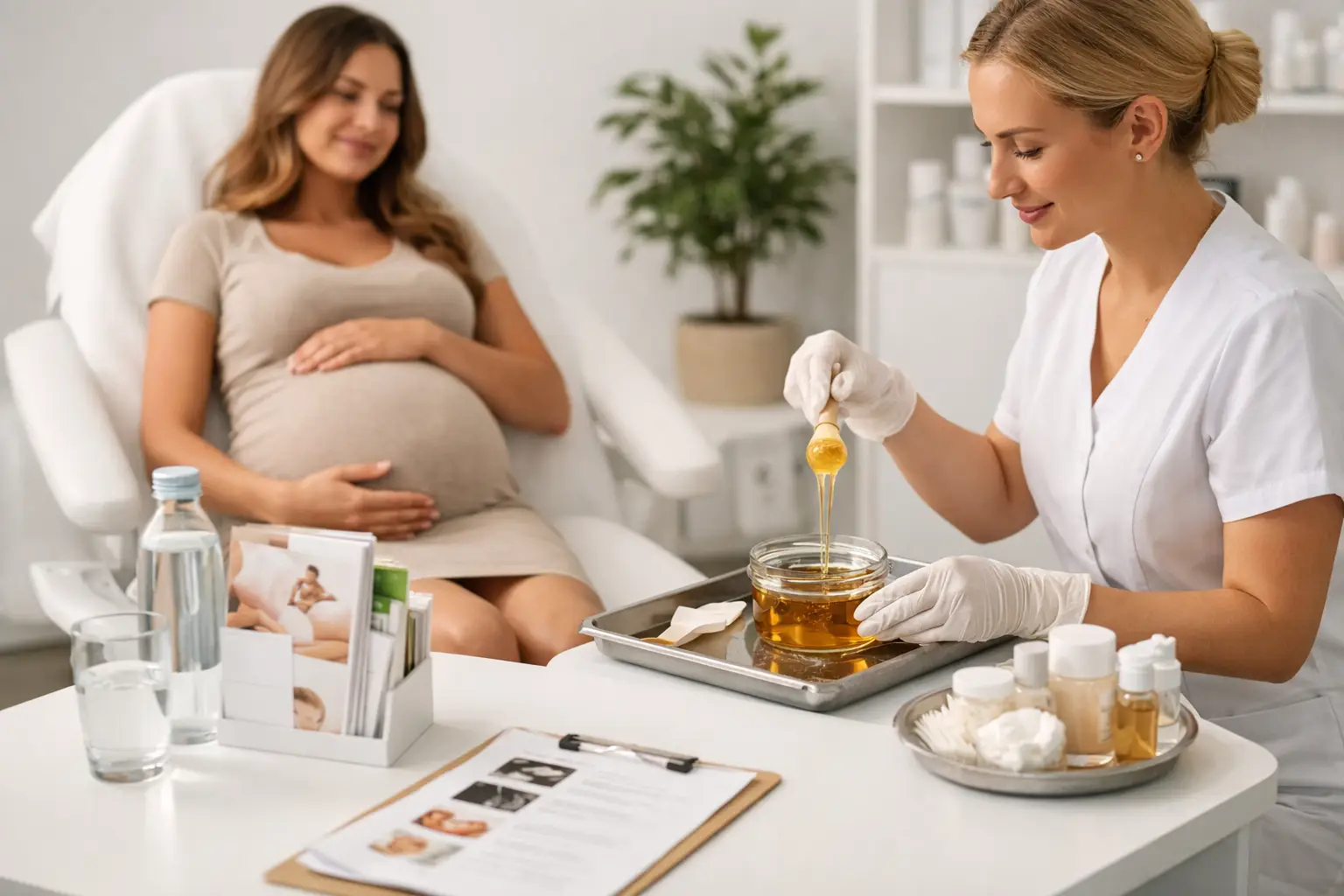
A growing belly can make everyday grooming feel unexpectedly complicated. If you are wondering, is sugaring safe during pregnancy, the reassuring answer is that many people can continue or begin professional sugaring with the right precautions, an experienced practitioner, and approval from their prenatal care provider when needed.
Sugaring is a surface-level hair-removal service. It does not affect the baby or the course of a healthy pregnancy. But pregnancy can change your skin, circulation, comfort level, and pain sensitivity quickly. That means the question is less about a universal yes or no and more about what feels right for your body, your health history, and your stage of pregnancy.
Is Sugaring Safe During Pregnancy?
For many clients with uncomplicated pregnancies, sugaring can be a comfortable way to maintain a smooth, cared-for feeling. Professional sugar paste is applied to the skin and removed with the hair, rather than being absorbed into the body. At The Sugar Shack, the paste is made with simple, all-natural ingredients and professional hygiene practices are central to every service.
Still, pregnancy is not the time to push through discomfort or ignore medical guidance. Your prenatal provider knows your health history and should have the final say if you have a high-risk pregnancy, complications, or specific activity restrictions. If your provider has advised against certain personal-care services, follow that guidance.
A qualified sugaring practitioner should also ask thoughtful intake questions, check in throughout the appointment, and adapt the service to help you stay comfortable. Good care is never one-size-fits-all.
Why Pregnancy Can Make Sugaring Feel Different
Even if you have been sugaring for years, your usual appointment may feel different while pregnant. Hormonal changes can increase blood flow to the skin, making it more reactive, tender, or prone to redness. Hair growth can also change. Some clients notice fuller growth in new areas, while others find that their regular maintenance schedule shifts.
Pain perception is highly individual. One person may find sugaring feels much the same as usual, while another may be more sensitive, especially in intimate areas. This does not mean you have to stop. It simply means your practitioner should work carefully, use supportive technique, and give you space to pause whenever you need it.
Pregnancy can also make lying in one position uncomfortable. As your belly grows, a professional can adjust pillows, support your hips or knees, offer breaks, and reposition you rather than expecting you to stay still for an extended period. Small adjustments can make a meaningful difference.
First-Time Appointments May Need Extra Care
If you have never had a root hair-removal service before, pregnancy may not be the moment you want to test your pain tolerance without a plan. That does not automatically rule out sugaring, but it is worth having an honest conversation with your practitioner first.
Consider starting with a smaller area, such as underarms or lower legs, to understand how your skin responds. If you are booking an intimate service for the first time, let the studio know you are pregnant when you schedule. A little preparation allows for more time, more comfort support, and a calmer experience.
When to Check With Your Prenatal Provider First
A prenatal provider can offer guidance that is specific to you, rather than general advice found online. Reach out before booking if you have been identified as high risk, have a history of pregnancy complications, or have been told to limit activities or avoid certain positions.
You should also postpone your appointment and seek medical guidance if you have any of the following:
- Vaginal bleeding, unexplained cramping, fluid leakage, or contractions
- A skin infection, rash, open wound, severe irritation, or sunburn in the treatment area
- Painful swelling, pronounced varicose veins, or a new circulation concern
- A medical condition or medication that makes your skin unusually fragile or slow to heal
This is not about alarm. It is about treating your body with the care it deserves. A professional practitioner will be happy to reschedule when needed. Your comfort and well-being come first.
Choosing a Pregnancy-Aware Sugaring Practitioner
The quality of the service matters just as much as the service itself. Pregnancy-friendly sugaring begins with a practitioner who understands sanitation, skin assessment, hair growth patterns, body positioning, and client communication.
Look for someone who asks about pregnancy during consultation rather than waiting for you to bring it up. They should be comfortable adjusting your position, checking your temperature and comfort throughout the service, and adapting their approach for sensitive skin. They should also use clean tools and professional no-double-dipping practices to prevent cross-contamination.
Do not be shy about sharing what is happening in your body that day. Nausea, lower-back discomfort, shortness of breath, heightened sensitivity, or simply needing a bathroom break are all useful details. Your appointment should feel like self-care, not something you have to endure quietly.
For practitioners, this is where professional education matters. Pregnancy services require more than knowing how to remove hair. They call for attentive consultation, clean technique, informed boundaries, and the confidence to pause or refer a client back to their provider when something does not feel appropriate.
How to Prepare for a More Comfortable Appointment
A few simple choices can help your skin and nervous system feel more settled before sugaring. Arrive hydrated, eat a light meal beforehand if that works for you, and wear loose, breathable clothing for afterward. Tight waistbands or synthetic fabrics can feel irritating against freshly sugared skin.
Avoid booking immediately after a hot workout, a long day in the sun, or anything that leaves your skin overheated and reactive. If you are prone to sensitivity, schedule at a time when you are not rushed. The ability to breathe, move slowly, and take a break can matter more than squeezing an appointment into a packed day.
Let your practitioner know about any new skincare products, prescription creams, or body treatments you are using. Pregnancy can be a season of changing routines, and seemingly small details can affect how your skin responds.
Aftercare Should Be Gentle, Too
After sugaring, your skin may be temporarily pink or tender, particularly if pregnancy has made you more sensitive. Choose soft, loose clothing and avoid friction on the treated area. Keep the skin clean, resist touching it with unwashed hands, and skip intense heat, sweating, and heavily fragranced products for the rest of the day when possible.
Gentle exfoliation can support smooth results once the skin has settled, but do not overdo it. Pregnancy skin does not always follow your usual rules. If you develop persistent irritation, swelling, bumps, or discomfort that concerns you, contact your healthcare provider.
The Bottom Line on Pregnancy and Sugaring
Sugaring during pregnancy is often possible, but the best experience comes from treating it as individualized care. A healthy pregnancy, a skilled practitioner, proper sanitation, and clear communication create a much better foundation than trying to follow a blanket rule.
You do not need to justify wanting to feel smooth, comfortable, or confident in your changing body. Choose a practitioner who listens, ask for the accommodations you need, and let your prenatal care provider guide any health-specific decisions. Your body is doing remarkable work, and your self-care routine should meet it with the same gentleness.