
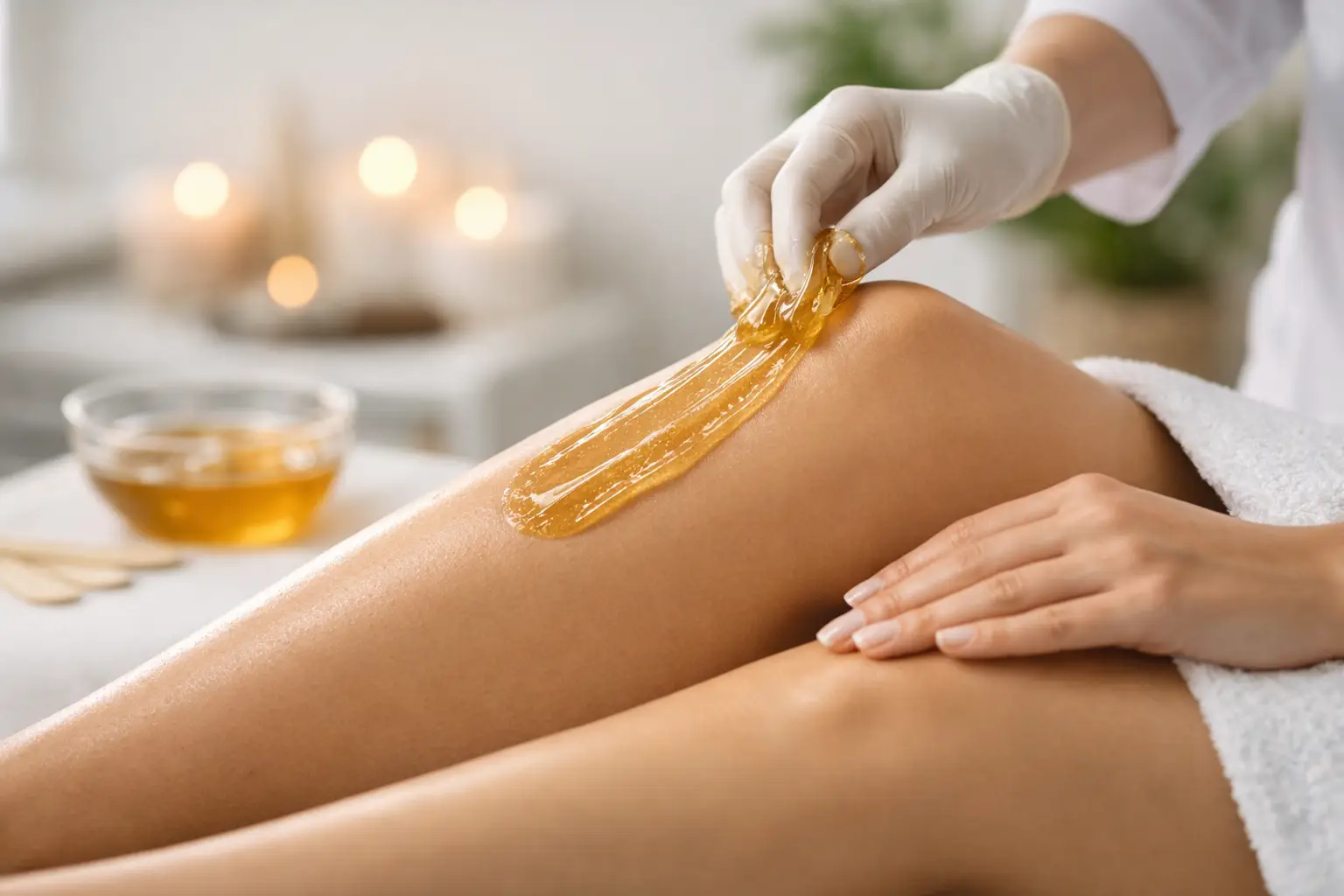
Skin that flushes easily, feels dry after hair removal, or reacts to new products deserves a little more thought than a rushed appointment. Sugaring for sensitive skin can be a comfortable option when the skin is properly prepared, the service is performed with thoughtful technique, and aftercare is treated as part of the experience rather than an afterthought.
Sensitive skin is not one single condition. For some people, it means temporary redness. For others, it can mean dryness, irritation from fragrance, ingrown hairs, or a skin barrier that feels easily overwhelmed. The goal is not to promise that every appointment will feel exactly the same. It is to create a personalized routine that respects what your skin needs on that particular day.
Why Sugaring Can Feel Different on Sensitive Skin
Professional sugaring uses a simple sugar paste that is applied and removed with a specialized hand technique. The paste is made from natural, biodegradable, edible ingredients, and it is used at a comfortable temperature. For clients who are mindful of what touches their skin, that simplicity can be reassuring.
The technique matters just as much as the paste. A skilled practitioner works with the direction of hair growth and uses controlled, efficient movement to lift hair from the root. When performed correctly, sugaring can remove even short hair without repeated passes over the same area. Less unnecessary handling can make a meaningful difference for skin that is prone to feeling tender.
Sugaring also supports a clean service environment. Fresh paste is used with every client, and professional sanitation practices prevent cross-contamination throughout the appointment. Sensitive skin is not only about ingredients. It is also about thoughtful care, clean tools, and a practitioner who knows when to slow down.
Before Your Appointment: Help Your Skin Arrive Calm
The most comfortable service often begins a day or two before you walk through the door. Hair needs enough length for the paste to grip it effectively, but skin should be clean, dry, and free from heavy products at the time of your appointment.
In the 24 to 48 hours beforehand, avoid aggressive exfoliation, strong active skincare ingredients on the treatment area, and prolonged sun exposure. If you use prescription topical products, have recently had a peel, or are managing an active skin concern, let your practitioner know before booking or at the start of the service. A professional will help you decide whether it is appropriate to proceed, modify the area being treated, or reschedule.
Hydration matters, too. Well-moisturized skin tends to be more resilient, but skip body oils, thick lotions, and deodorant on the area immediately before your service. Those products can interfere with the paste’s grip and may make the appointment less efficient.
Your body can also be more reactive at certain times. Many clients notice increased sensitivity in the days leading up to menstruation, after poor sleep, or during periods of high stress. You do not need to plan your life around hair removal, but it helps to know your patterns. If you have flexibility, choose an appointment time when you feel rested and your skin is behaving normally.
Be Honest About Your Skin History
A good consultation is not a formality. It is how your practitioner learns what will help you feel comfortable. Share if you have experienced reactions to skincare, tend to develop ingrown hairs, are prone to post-treatment redness, or have had a recent change in medication or routine.
There is no need to feel embarrassed about an intimate area, body hair, or sensitive skin. Professional practitioners have seen a wide range of skin types, hair textures, and personal concerns. Clear communication gives them the information they need to choose the right pace, check in during the service, and offer aftercare that fits you.
What to Expect During Sugaring for Sensitive Skin
A sensitive-skin appointment should never feel like something you simply have to endure. Your practitioner should explain the process, invite questions, and check in as the service begins. If an area feels especially tender, say so. Small adjustments in positioning, pacing, or technique can support a more comfortable experience.
Some temporary pinkness or warmth after hair removal is common, especially in delicate areas or for first-time clients. It usually settles as the skin calms. However, sharp discomfort, burning, or unusual irritation should always be communicated right away. Your practitioner can assess the skin and decide whether to continue.
First appointments can also feel different from maintenance visits. When hair has been removed from the root consistently over time, many clients find that their routine becomes easier to maintain. Hair growth cycles vary from person to person, so the right schedule depends on your goals, the area being treated, and how your skin responds. Regular appointments are useful, but forcing a schedule that leaves your skin irritated is not the goal.
Aftercare That Supports a Happy Skin Barrier
The first day after sugaring is your skin’s quiet recovery window. Treat the area gently. Avoid friction, heat, and products that may sting or congest freshly treated skin. Choose loose, breathable clothing when possible, particularly after an intimate or body service.
For roughly 24 hours, it is wise to skip hot baths, saunas, intense workouts, swimming, and heavily fragranced body products on the treated area. These are not permanent restrictions. They simply give the skin time to settle without extra heat, sweat, bacteria, or rubbing.
Once the initial tenderness has passed, gentle exfoliation becomes useful for helping prevent trapped hairs. The key word is gentle. Over-scrubbing can disrupt the skin barrier and create the very sensitivity you are trying to avoid. A consistent routine of light exfoliation and hydration is generally more helpful than a harsh scrub used occasionally.
If you are prone to ingrown hairs, ask your practitioner for product guidance based on your skin and the area treated. The best approach is not always the strongest product. A well-chosen routine should support clear, smooth-looking skin without leaving it dry or overworked.
Know When to Pause
There are times when the kindest choice for sensitive skin is waiting. Do not schedule hair removal over broken skin, a sunburn, an active rash, or an area that is already inflamed. If you are unsure whether a medication, treatment, or skin condition affects your suitability for sugaring, ask before your appointment and follow guidance from your healthcare provider when needed.
This is also why professional education matters. Practitioners trained in sugaring should understand sanitation, skin assessment, contraindications, and client care, not only hair-removal technique. At The Sugar Shack, those standards are part of the client experience and the professional knowledge shared with future practitioners.
A Routine Built Around Comfort, Not Perfection
Sensitive skin does not mean you have to give up on feeling smooth, cared for, and confident in your body. It means your routine benefits from patience, communication, and a practitioner who sees the whole picture. The right service should feel personal, never rushed, and should leave you with practical guidance for what comes next.
Pay attention to how your skin responds after each appointment. That feedback is valuable. With a gentle preparation routine, consistent aftercare, and professional support, sugaring can become a calm, confidence-building part of your self-care rhythm.