
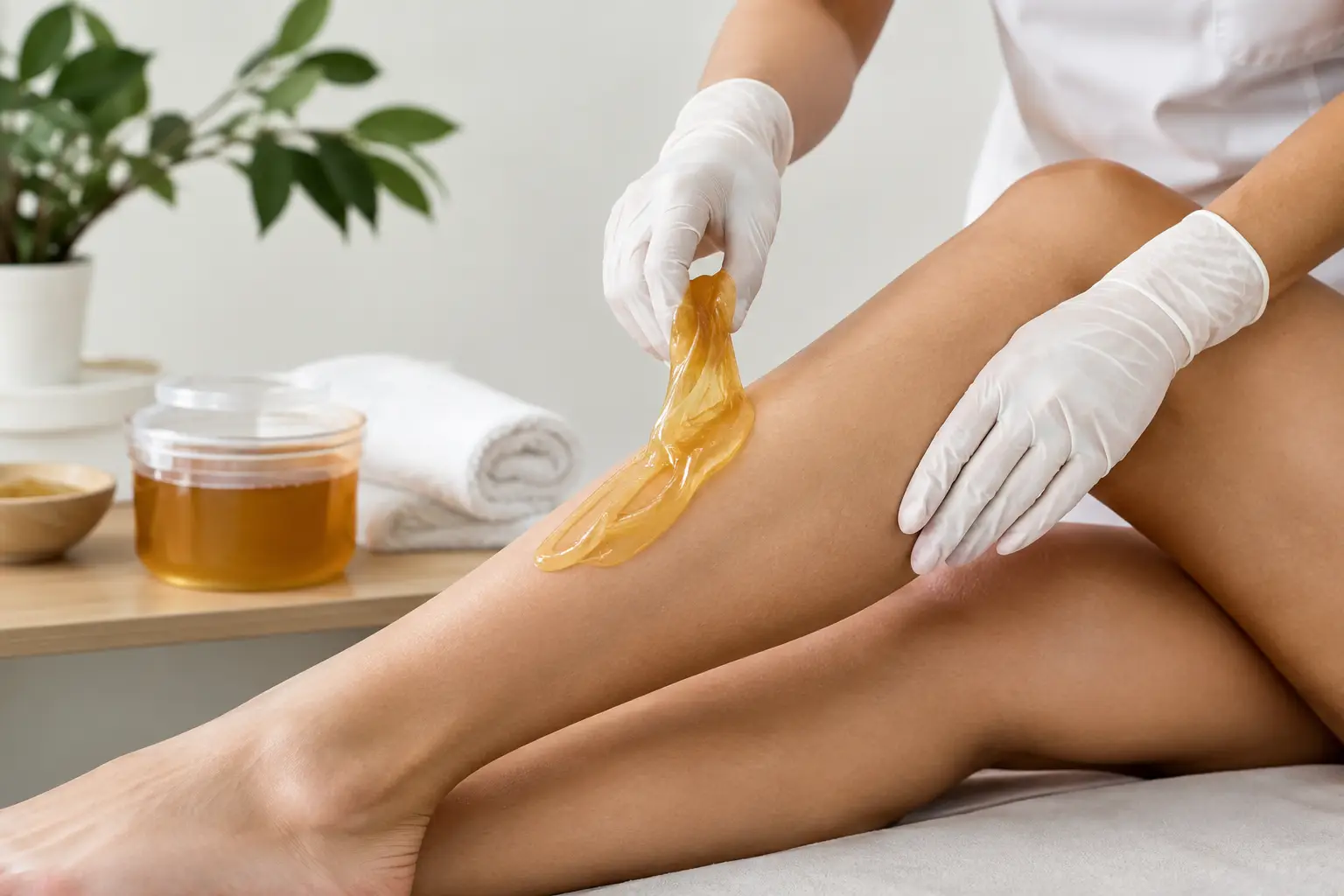
A smooth appointment can feel wonderfully simple, but the hair beneath the skin is following its own schedule. This hair growth cycles sugaring guide explains why a little regrowth can be normal, why consistent appointments make a difference, and how to set realistic expectations for soft, comfortable skin.
Sugaring removes hair from the root using a natural sugar paste, but it cannot make every follicle operate on the same timeline. Understanding that one detail helps clients feel less frustrated between visits and helps practitioners create thoughtful, personalized maintenance plans.
Hair growth cycles and sugaring: what is happening below the skin?
Each hair follicle moves independently through a cycle of growth, transition, rest, and release. That means the hairs visible on the surface during one appointment may not all be in the same phase. Some are ready to be removed, while others are still resting below the skin and may appear days or weeks later.
This is why seeing a few new hairs after a service does not mean the treatment was unsuccessful. Often, those hairs were simply not present above the skin when you came in. With regular appointments, more follicles can gradually be treated at a similar point in their cycle, making the regrowth pattern feel more predictable.
The active growth phase
The active growth phase, often called anagen, is when a hair is connected most fully to its root. Removing hair during this stage can support the clean, longer-lasting smoothness many clients love about sugaring. It is also why consistency matters more than chasing a perfectly hair-free moment before booking.
Hair grows in cycles, not all at once. Your underarms, legs, bikini area, and face can each move at a different pace, and your own pattern may shift with age, hormones, stress, medication, or seasonal changes. There is no single timeline that fits every body.
Transition, rest, and release
After active growth, a follicle moves through a brief transition phase and then a resting phase. During rest, the hair may be less visible or may sit beneath the surface before naturally shedding and making room for a new hair to grow.
For clients, this can look like scattered regrowth rather than an even return of hair. For practitioners, it is a reminder to assess what is actually present, work with care, and avoid promising that every visit will look identical. Great sugaring is rooted in technique, sanitation, and honest education, not exaggerated claims.
Why your first few appointments can look different
If you have been shaving, the first few sugaring appointments may bring a mix of hair lengths and textures. Shaving cuts the hair at skin level, so follicles continue their individual cycles underneath. As a result, some hair may be long enough to remove comfortably while other strands are just beginning to emerge.
It can take several consistent appointments for your hair pattern to feel more coordinated. Many body areas settle into a maintenance rhythm around every four to six weeks, while facial areas may need more frequent care. The best interval depends on the area, your growth rate, your comfort level, and the result you want to maintain.
For intimate services, your practitioner may recommend a schedule based on how your hair returns and how your skin responds. There is no prize for waiting until hair feels overly long. If you are unsure whether you have enough growth, reach out to your studio before your appointment rather than guessing.
A practical hair growth cycles sugaring guide for timing visits
Think of your schedule as a routine of care, not a rigid rule. A consistent cadence gives your practitioner the best opportunity to work with hair as it reaches a suitable length, while also helping you avoid the discomfort of letting it grow far past your preferred point.
For a first appointment, allow enough visible growth for the sugar paste to grip effectively. Sugaring is known for being able to remove quite short hair, but a little length still helps create a more comfortable, efficient service. Avoid trimming immediately before your appointment unless your practitioner has specifically advised it.
After your first service, pay attention to your own regrowth rather than comparing it to someone else’s. Notice when you begin to see enough hair that you would like it removed, whether certain areas return faster, and how your skin feels in the days afterward. These observations are useful information, not signs that something is wrong.
A regular schedule may support finer-feeling regrowth for some clients over time because hair is repeatedly removed from the root. Still, results vary. Genetics, hormones, medications, and the body area being treated all influence density and speed of growth. A skilled practitioner will speak clearly about what is likely for you without making guarantees your body cannot keep.
Preparing your skin for a better appointment
Healthy-looking, comfortable skin starts before you arrive. In the day or two leading up to your service, gentle exfoliation can help lift surface buildup and support the release of hairs that may otherwise become trapped. Choose a method that suits your skin, and skip aggressive scrubbing if you are prone to sensitivity.
On appointment day, arrive with clean, dry skin and avoid applying heavy lotions or oils to the area being treated. Hydrated skin is generally happy skin, so keep up your normal water intake and moisturizing routine in the days beforehand, but let the treatment area be product-free that day.
If you are new to sugaring, pregnant, using prescription skin treatments, or managing a skin concern, tell your practitioner before the service begins. A professional consultation creates room to adjust the service, discuss comfort options, and make choices that put skin health first.
What to expect after sugaring
Immediately after a service, it is common for skin to look a little pink or feel more sensitive than usual. This should settle, but your practitioner can guide you based on the area treated and your individual skin. Loose, breathable clothing can be especially welcome after body and intimate services.
For the first day or two, keep aftercare simple. Avoid friction, heat, heavy sweating, fragranced products, and picking at the skin. Then return to gentle exfoliation and hydration as recommended. This routine can help keep skin feeling smooth and may reduce the chance of hairs becoming trapped as they grow back.
Resist the urge to shave between appointments if your goal is to build a consistent sugaring routine. Removing hair at the surface can interrupt the pattern you and your practitioner are trying to establish. If a few hairs appear early, remember that they may be follicles entering a new phase, not a failure of your last service.
For practitioners: education creates client confidence
Clients often arrive with questions about why they still see hair, why one side grows faster, or why their fourth appointment feels different from their first. A confident practitioner does more than remove hair. They explain the growth cycle in clear language, assess the skin and hair in front of them, and recommend a schedule that respects the client’s goals.
Professional sugaring training should include more than paste control. It should build strong consultation habits, sanitation standards, client communication, contraindication awareness, and aftercare knowledge. Those skills turn a technical service into a calm, elevated experience where clients feel informed rather than rushed.
At The Sugar Shack, we believe smoothness feels even better when it comes with clarity. Your body is not inconsistent or doing anything wrong when it grows hair in phases. Give your routine time, listen to your skin, and let a knowledgeable practitioner help you find the rhythm that feels right for you.