
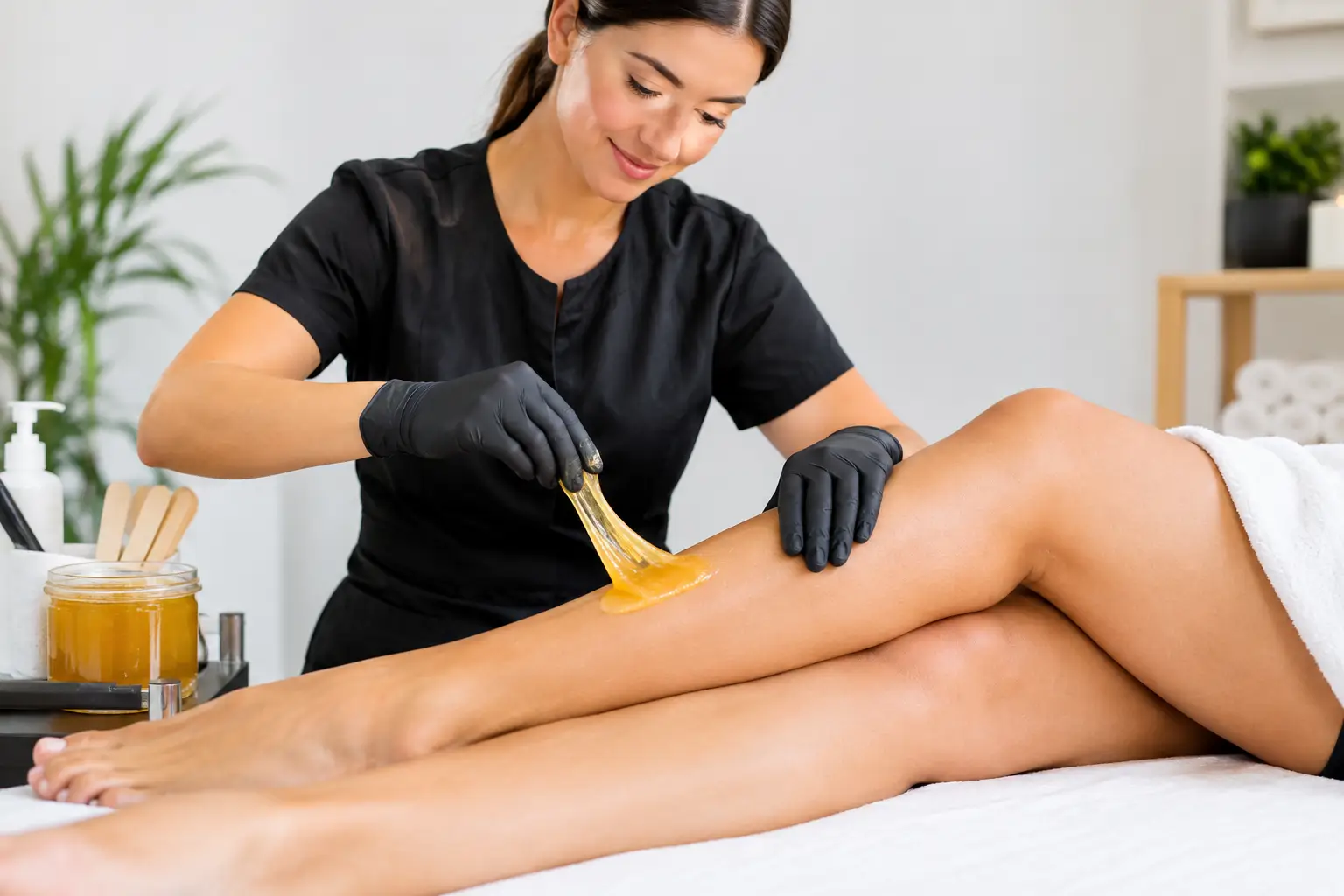
A fully booked day can look impressive on paper, but mobile sugarist income is not simply the total of every appointment. It is what remains after travel time, supplies, setup, cleanup, taxes, and the care it takes to give each client a polished, comfortable experience. For practitioners who enjoy independence and one-on-one client care, mobile sugaring can become a meaningful side income or a flexible career path. The strongest businesses are built on skill, clear boundaries, and numbers that reflect real working time.
What Shapes Mobile Sugarist Income?
There is no single earning number that applies to every mobile practitioner. Your income depends on your service mix, local market, availability, experience, repeat-booking rate, and how thoughtfully you manage your route. A practitioner offering only one small service between widely spaced appointments will have a very different day from someone serving established clients within a defined area.
Start by separating revenue from profit. Revenue is the money collected from appointments. Profit is what you have left after business costs. Mobile work has costs that a studio-based practitioner may not carry in the same way: vehicle use, fuel, travel time, portable equipment, cleaning supplies, payment processing, insurance, booking software, and replacement product. Training and continuing education belong in this picture, too. They are investments in better technique, safer service, and greater confidence.
Your personal income also depends on whether this is a part-time offering or your primary work. A parent fitting appointments around school hours may value a smaller, reliable schedule. A practitioner building a full-time business may need more capacity, stronger systems, and a schedule designed to reduce unpaid time on the road. Neither model is less professional. The right one is the one that supports your life while protecting service quality.
Price the Appointment, Not Just the Sugaring
A mobile price needs to account for more than the time the sugar paste is on the skin. Consider the complete appointment window: confirming the address, loading and unloading your kit, parking, preparing a clean treatment space, providing the service, sanitizing equipment, taking payment, rebooking, and traveling to the next client.
A useful starting point is to calculate a minimum hourly business rate. Add the income you want to earn, your estimated monthly business expenses, and an amount reserved for taxes. Then divide that figure by the realistic number of billable service hours you can perform each month. Be realistic: a mobile schedule rarely allows every working hour to be billable.
From there, build service prices around the actual time and materials involved. Longer or more specialized services should reflect the practitioner skill, client communication, sanitation standards, and physical focus they require. Avoid setting prices solely because another provider posts them online. Their overhead, experience, location, and appointment structure may be completely different from yours.
Travel should be handled clearly rather than absorbed quietly. Some practitioners establish a service radius and include travel within it. Others group appointments by neighborhood on specific days or apply a transparent travel fee outside their core area. Grouping by location can protect your energy and turn a scattered day into a profitable one without asking clients to guess what they will pay.
A Full Schedule Is Not Always a Profitable One
Imagine two practitioners each booking four appointments. The first travels 25 minutes between every client, has gaps that are too short to use well, and carries out-of-area requests without a travel policy. The second works within a compact service zone, schedules enough time for setup and sanitation, and encourages clients to book their next visit before she leaves. They may collect similar appointment totals, yet their take-home pay and stress levels can be very different.
This is why the most valuable number to track is not only appointments booked. Track your average service value, total driving time, supply cost per service, rebooking rate, cancellation rate, and income per working hour. After a few months, patterns become visible. You may find that certain days, neighborhoods, or appointment combinations work beautifully, while others create too much unpaid travel.
A carefully designed menu can also raise average appointment value without pressuring clients. Offer services that genuinely fit together and leave enough time to perform each one with care. Client trust is worth more than rushing someone through an add-on they did not need. The goal is a warm, elevated experience that clients want to return to, not a packed schedule that leaves everyone feeling hurried.
Repeat Clients Create More Stable Earnings
New-client marketing matters, especially at the beginning. But repeat clients are what make mobile sugarist income more predictable. When clients receive consistent technique, respectful communication, and thoughtful aftercare guidance, they are more likely to return on a routine that suits their hair-growth cycle and personal preferences.
Rebooking is easier when you make it part of excellent care. Before leaving, ask how the client felt about the appointment and help them choose a reasonable window for their next visit. Send clear preparation and aftercare information, confirm appointments professionally, and make policies easy to understand. These details communicate that their comfort matters.
Mobile practitioners have an added opportunity to create loyalty through convenience. Being welcomed into a client’s home is a privilege, not a shortcut. Arrive on time, protect their privacy, keep your setup organized, and leave the space as tidy as you found it. Reliability becomes part of your brand, and it is often the reason a client tells a friend about you.
Professional Standards Protect Your Reputation
Sugaring is hands-on work, and mobile service requires uncompromising sanitation practices. Use professional-grade products, follow a clean and organized setup process, and maintain single-use items and proper disposal procedures where appropriate. Never let convenience compromise client safety or your professional standards.
You also need clear policies for a home-based service model. Think through where services can be performed, what kind of lighting and surface area you need, whether pets or distractions affect your ability to work, and when an appointment should be rescheduled. For intimate services, clear consent, privacy, calm communication, and firm professional boundaries are essential.
Before accepting clients, check the licensing, insurance, health requirements, and local business rules that apply in your area. Requirements vary by state, county, and municipality. A legitimate business foundation gives you more confidence when speaking with clients and makes it easier to grow responsibly.
Build Skill Before You Build Volume
It can be tempting to chase bookings as soon as you learn a new service. Yet technique is where long-term income begins. Efficient hand skills, correct product handling, hair assessment, skin awareness, consultation, positioning, and client communication all affect the quality and pace of an appointment.
Professional education gives you a framework for practicing with purpose. Look for training that addresses not only application and removal techniques, but also sanitation, contraindications, client comfort, service timing, and business readiness. Practice helps your hands become more confident; education helps you understand why each step matters.
The Sugar Shack approaches sugaring as both a refined personal-care service and a professional skill. That distinction matters when you are working independently. Your clients are not simply paying for hair removal. They are choosing a practitioner who can create a clean, comfortable experience while treating every body with respect.
Grow at a Pace You Can Sustain
A mobile business does not have to begin with a full five-day schedule. Start with the hours you can reliably protect, a service area you can serve well, and a menu you can perform confidently. As demand grows, refine your routes, raise prices when your experience and costs justify it, and decide whether you want to remain mobile, share a treatment space, or develop a hybrid model.
Be cautious with discounts. An introductory offer can help new clients try your service, but permanent underpricing makes it hard to cover expenses and harder to raise rates later. Instead, let your professionalism do some of the marketing: beautiful presentation, simple communication, timely follow-up, and results clients feel good about.
The best mobile sugarist income is not built by squeezing more appointments into every day. It comes from charging thoughtfully, protecting your time, practicing excellent sanitation, and giving clients a level of care they are happy to book again. Start with one well-designed service day, learn what your numbers are telling you, and let your confidence grow alongside your business.