
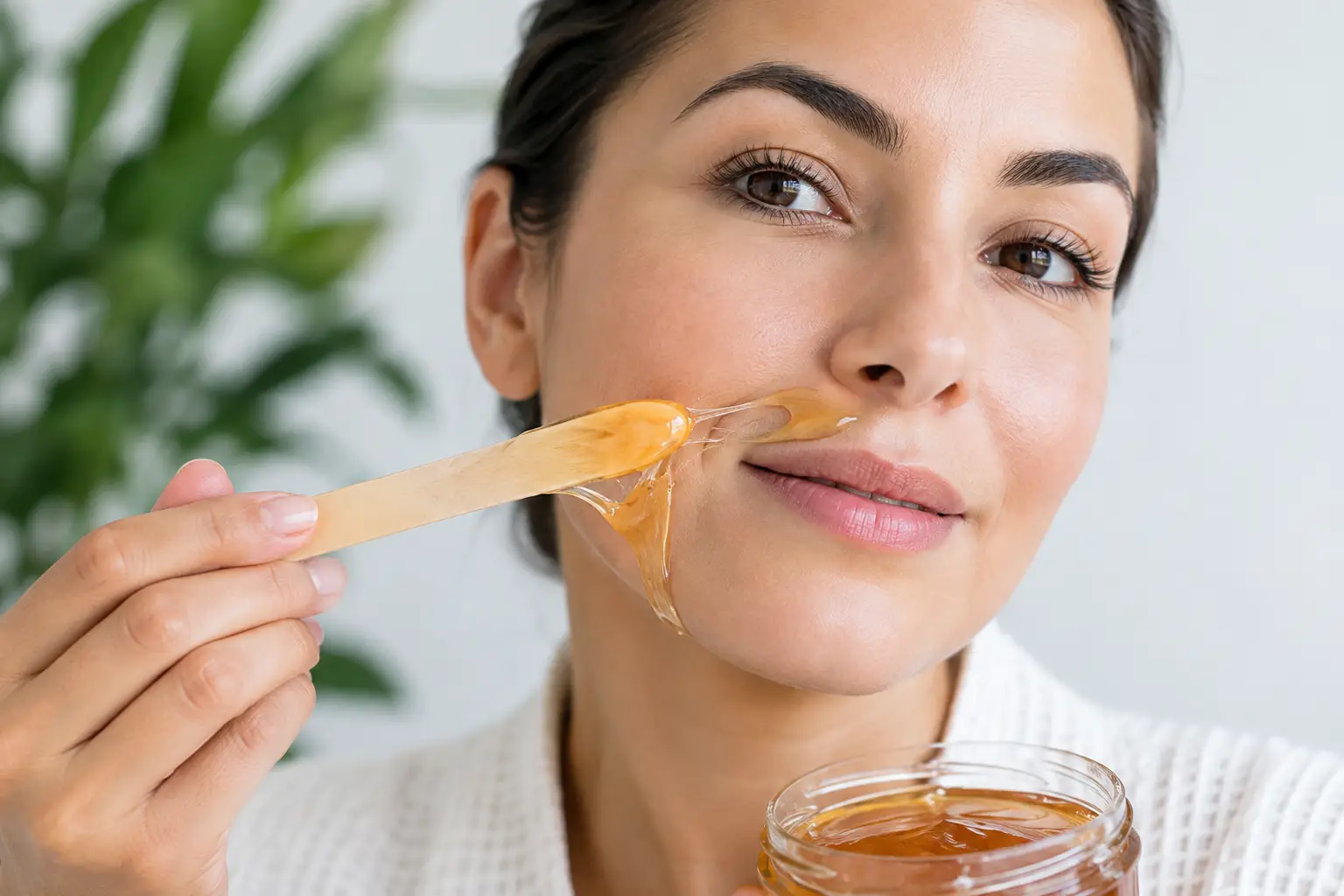
The skin between your nose and upper lip, along the jawline, and around the brows deserves a little extra patience. If you are wondering how to sugar facial hair, the goal is not simply to remove it. It is to do so with clean technique, thoughtful skin preparation, and a pace that keeps your skin feeling calm, smooth, and cared for.
Facial sugaring can be a beautiful part of a self-care routine for many people, especially when fine or coarse facial hair affects how confident they feel. But facial skin is more exposed and often more reactive than the skin on the body. That means a method that feels easy on the legs can require more precision on the face.
What facial sugaring does differently
Sugaring uses a pliable paste made from simple, skin-friendly ingredients to lift hair from the follicle. When the paste is applied and removed with the proper technique, it can pick up even shorter facial hairs while offering gentle exfoliation at the skin’s surface.
The appeal is easy to understand: a smooth upper lip, chin, cheeks, or brow area can feel polished without becoming a daily chore. Still, results depend on more than the paste itself. Hair growth direction, skin condition, paste consistency, tension, and sanitation all matter. This is why facial sugaring is often best approached as a technique to learn carefully rather than a quick fix to rush through.
Before you sugar facial hair, check your skin
Do not sugar skin that is sunburned, broken, actively irritated, or recovering from a facial treatment. Wait if you have a fresh breakout in the area, a cold sore, a rash, or any unexplained sensitivity. The same pause applies if your skin is peeling or feels tender from strong exfoliating products.
Be especially cautious with prescription skin medications and active ingredients such as retinoids, strong acids, or benzoyl peroxide. These can make skin more vulnerable to lifting and irritation. If you are unsure whether a product in your routine affects hair removal, ask your dermatologist or a trained sugaring professional before booking or trying a service.
A small patch test is a smart first step, particularly if you have sensitive, mature, or highly reactive skin. Choose a discreet spot near the area you plan to treat and give your skin a full day to show you how it responds. A little temporary pinkness can happen, but stinging, swelling, or prolonged irritation is a sign to stop.
Prepare with cleanliness and simplicity
Start with clean hands, a clean work surface, and freshly cleansed, completely dry skin. Avoid heavy moisturizer, facial oil, makeup, and sunscreen directly before sugaring because they can interfere with the paste’s grip.
For a safer at-home setup, keep these essentials nearby:
- A fresh portion of facial-safe sugar paste
- Disposable gloves, especially while learning
- Clean applicators that are never returned to the product container
- A gentle cleanser, clean cotton rounds, and a calming aftercare product
Hygiene is not an optional extra. Never reuse paste that has touched the skin, and never double-dip an applicator. Professional standards are built around preventing cross-contamination, and that same care belongs in a home routine.
Hair does not need to be long, but it does need enough length for the paste to catch it. Very fine hair may be ready sooner than coarse chin hair. If you have just trimmed the area, give it time to grow out a little rather than repeatedly going over the same skin trying to catch hairs that are too short.
How to sugar facial hair step by step
Begin with a small area, such as a section of the upper lip or a small patch on the chin. Facial contours are not the place to start with a large application. Work in sections so you can keep the skin taut and pay attention to the natural direction of growth.
First, warm the sugar paste only until it is workable. It should feel comfortably soft, never hot. Test it on the inside of your wrist before it goes anywhere near your face. If the paste is overly soft, sticky, or difficult to control, it may need to cool slightly. If it is too firm, work a small amount between gloved fingers until it becomes pliable.
Apply a small amount of paste against the direction the hair grows, using light but firm pressure. Then hold the surrounding skin taut with your free hand. Remove the paste quickly and close to the skin, moving in the direction of hair growth rather than pulling upward. Think of it as a controlled flick parallel to the skin, not a dramatic tug away from the face.
That tautness is one of the details that separates a comfortable service from an unnecessarily uncomfortable one. On the upper lip, stretch the skin by pressing your tongue behind the area being treated or by gently pulling the lip inward. On the chin and jawline, use your free hand to create a smooth, steady surface before you remove the paste.
Work slowly, checking the skin after each small section. If a few hairs remain, resist the urge to repeat the pass several times. One careful second pass may be appropriate if the skin looks calm, but repeated removal over the same spot can create avoidable irritation. Tweezing a stray hair afterward is often kinder to your skin than chasing perfection with multiple passes.
Facial areas that need extra care
The upper lip is one of the most common facial areas to sugar, but it can also be one of the most sensitive. Smaller sections and excellent tension make a meaningful difference. The chin can have coarser, more deeply rooted hairs, so you may need a firmer paste and a very clear understanding of each hair’s growth pattern.
Brows require a particularly conservative approach. The skin around the eyes is delicate, and brow shape changes quickly when even a small amount of hair is removed. If you want a defined brow shape or have never had your brows professionally mapped, this is a strong reason to see a trained practitioner instead of experimenting at home.
Cheeks, sideburns, and jawline areas can look smooth after sugaring, but these zones may include fine, downy hair that does not always need removal. Choose hair removal because it feels right for you, not because you feel pressure to remove every visible hair. Everyone has facial hair, and self-care works best when it supports your own comfort and confidence.
Soothe skin after sugaring
Once you are finished, gently remove any remaining paste with cool water and pat the skin dry with a clean towel. Keep the rest of the day simple. Skip heat, steam, intense exercise, fragranced products, exfoliation, and heavy makeup on the treated area for at least 24 hours if your skin is prone to sensitivity.
A calm, uncomplicated moisturizer or soothing gel can help the skin feel comfortable. Avoid touching the area unnecessarily, and do not pick at small bumps or ingrown hairs. If you are prone to ingrowns, introduce gentle exfoliation only after the skin has fully settled, usually a few days later, and keep it mild.
Temporary redness is common, especially around the upper lip and chin. It should gradually settle. If you experience persistent burning, significant swelling, broken skin, or a reaction that concerns you, stop using products on the area and seek medical guidance.
When a professional is the better choice
At-home facial sugaring can be manageable for small, straightforward areas, but there is real value in professional technique. A trained practitioner can read hair direction, choose the right paste consistency, keep the skin supported, and adapt the service to sensitive skin or changing hair patterns.
Professional care can be especially helpful for brow shaping, coarse or hormonally influenced chin hair, highly sensitive skin, and anyone who feels nervous about technique. At The Sugar Shack, practitioners are trained to treat every service as a combination of precise hair removal, sanitation, and thoughtful client care – never a one-size-fits-all routine.
Learning to sugar facial hair takes patience, and your skin gets the final say. Start small, keep your technique clean, and let comfort guide your choices. Smooth skin is lovely, but skin that feels healthy and respected is always the better result.