
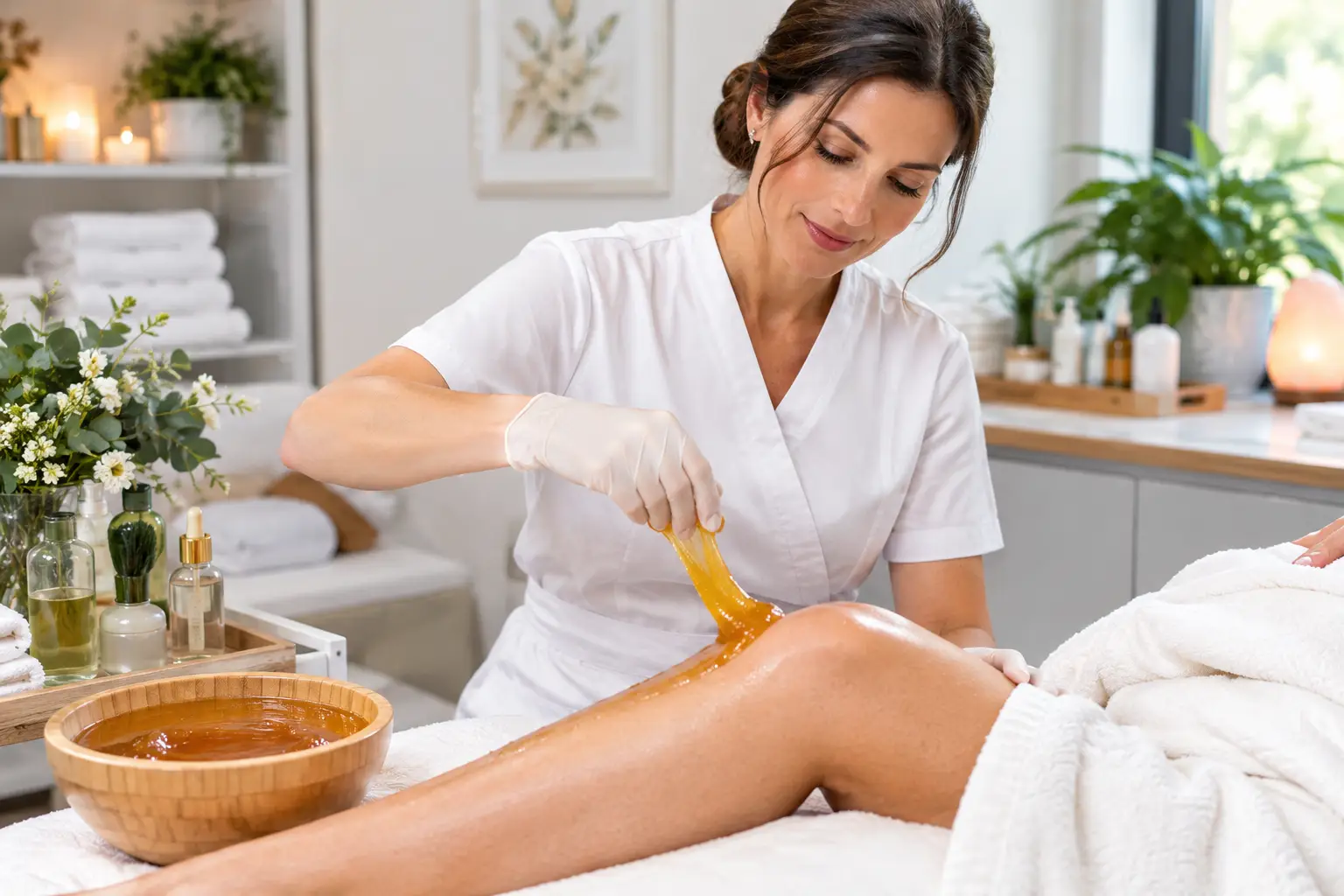
Aging skin sugaring is not about chasing perfectly smooth skin or meeting anyone else’s standard. It is about choosing hair removal that respects skin that may feel drier, thinner, or more reactive than it once did. With the right practitioner, preparation, and aftercare, sugaring can be a comfortable part of a self-care routine at every age.
Why Skin Changes Over Time
As we age, skin often produces less oil and holds onto moisture differently. It can become drier, more delicate, and slower to recover from irritation. Some people also notice changes related to menopause, medication, stress, sun exposure, or a shift in their regular skincare routine.
That does not mean hair removal is off the table. It simply means technique matters more. A knowledgeable practitioner looks beyond the area being treated. They consider the skin’s current condition, the direction and density of hair growth, your comfort level, and anything that may affect sensitivity that day.
Sugaring uses a simple paste made from sugar, water, and lemon. At The Sugar Shack, that paste is all-natural, biodegradable, and made for professional use. Because the service is highly technique-driven, a practitioner can work with intention rather than taking a one-size-fits-all approach.
What Makes Aging Skin Sugaring Different
For aging skin, the goal is not to rush through an appointment. It is to remove hair thoughtfully while being attentive to the skin throughout the service. Professional sugaring paste is worked into the hair and removed with a controlled hand technique. The paste is used at a comfortable temperature, rather than feeling hot on the skin.
The quality of the appointment comes down to more than the paste itself. Proper skin preparation, fresh gloves, clean technique, pressure control, and clear communication all shape the experience. A skilled practitioner knows when to slow down, adjust their approach, or recommend waiting until the skin is better supported.
This is especially valuable for areas that may be prone to dryness or friction, such as the underarms, legs, bikini area, or face. Everyone’s skin changes differently, so a full-body service should never feel like an assembly line.
Comfort begins before the appointment
A little preparation can make a meaningful difference. Arrive with clean skin and avoid applying heavy oils, rich body butters, or active skincare products directly on the area to be treated. These can interfere with the service and may make sensitive skin feel less settled.
Hydration matters, too. Well-moisturized skin tends to feel more comfortable, but save your moisturizer for after your appointment rather than immediately before it. If your skin is very dry, flaky, sun-exposed, or irritated, tell your practitioner. Honesty helps them make the safest, most comfortable recommendation for you.
Hair does not need to be long for sugaring. In many cases, shorter regrowth can be removed, which can make maintenance feel less intimidating. Your practitioner can let you know the ideal timing based on the area and your individual growth pattern.
When You Should Pause or Ask First
Skin-conscious care includes knowing when not to book right away. If an area is broken, actively irritated, sunburned, or recovering from a recent skin treatment, it is best to wait. The same applies if you are using prescription skin products or medications that can increase fragility or sensitivity.
Bring up any changes in your health, medication, or skincare at the start of your service. This is not about being difficult or overcautious. It gives your practitioner the information they need to protect your skin and determine whether sugaring is appropriate that day.
If you have a chronic skin condition, a history of skin lifting, easy bruising, or any uncertainty about treatment compatibility, speak with your healthcare provider first. A reputable practitioner will always prioritize skin integrity over completing a service.
The Appointment Should Feel Collaborative
A great sugaring appointment is built on communication. Before beginning, your practitioner should ask about your skin, previous hair-removal experiences, sensitivities, and desired results. During the service, they should check in about comfort and explain anything that feels unfamiliar.
There is no prize for pushing through discomfort in silence. Let your practitioner know if an area feels especially tender or if you need a pause. Small adjustments in positioning, pace, pressure, or technique can change the entire experience.
For first-time clients, starting with one area can be a helpful way to get familiar with sugaring. Others prefer to book a full service and create a consistent maintenance schedule afterward. Both choices are valid. The best routine is the one that feels sustainable for your body, budget, and comfort.
Hygiene is part of skin care
For delicate skin, sanitation is not a behind-the-scenes detail. It is central to the service. Professional standards include clean treatment spaces, proper hand hygiene, fresh gloves as needed, and a no-double-dipping approach that prevents used paste from returning to the main container.
These practices help create a service that feels polished, reassuring, and respectful. They also reflect the level of training behind the treatment. Sugaring is a hands-on skill, and practitioners need education in skin awareness, hair-growth patterns, sanitation, client consultation, and responsive technique.
Aftercare That Supports Calm, Smooth Skin
Your skin may look or feel temporarily pink after sugaring, particularly if it is naturally sensitive. This typically settles with gentle care. For the rest of the day, avoid heat, friction, and anything heavily fragranced on the freshly treated area. Choose loose, breathable clothing when possible, especially after a bikini or body service.
Keep the area clean and resist the urge to touch it repeatedly. The skin has just been treated and deserves a little breathing room. The following day, return to simple hydration with a gentle, fragrance-free moisturizer that works for your skin.
Exfoliation can be useful once the skin has settled, particularly for areas where ingrown hairs are common. But more is not better. Over-exfoliating can leave aging skin feeling dry, compromised, and uncomfortable. A light, consistent routine is usually more supportive than an aggressive one.
Pay attention to patterns between appointments. If one area seems unusually reactive, if your skin is becoming drier, or if your regular timing no longer feels right, mention it at your next visit. Your routine can change as your skin changes.
Choosing a Practitioner Who Understands Skin
The most reassuring sign is not a promise that every service will feel identical. It is a practitioner who pays attention. Look for someone who welcomes questions, explains their sanitation practices, understands contraindications, and has the training to adapt their technique to the client in front of them.
For beauty professionals, this is where specialized education matters. Learning sugaring is not simply learning a motion. Strong training teaches consultation, body positioning, skin assessment, pace, hygiene, aftercare, and the confidence to make thoughtful decisions during a service. Those details are what turn hair removal into genuine client care.
Aging skin deserves the same consideration as every other part of your well-being: informed choices, gentle hands, and room to change your mind. When a service is approached with care rather than pressure, smooth skin can feel less like a requirement and more like a small, luxurious way to feel at home in your body.