
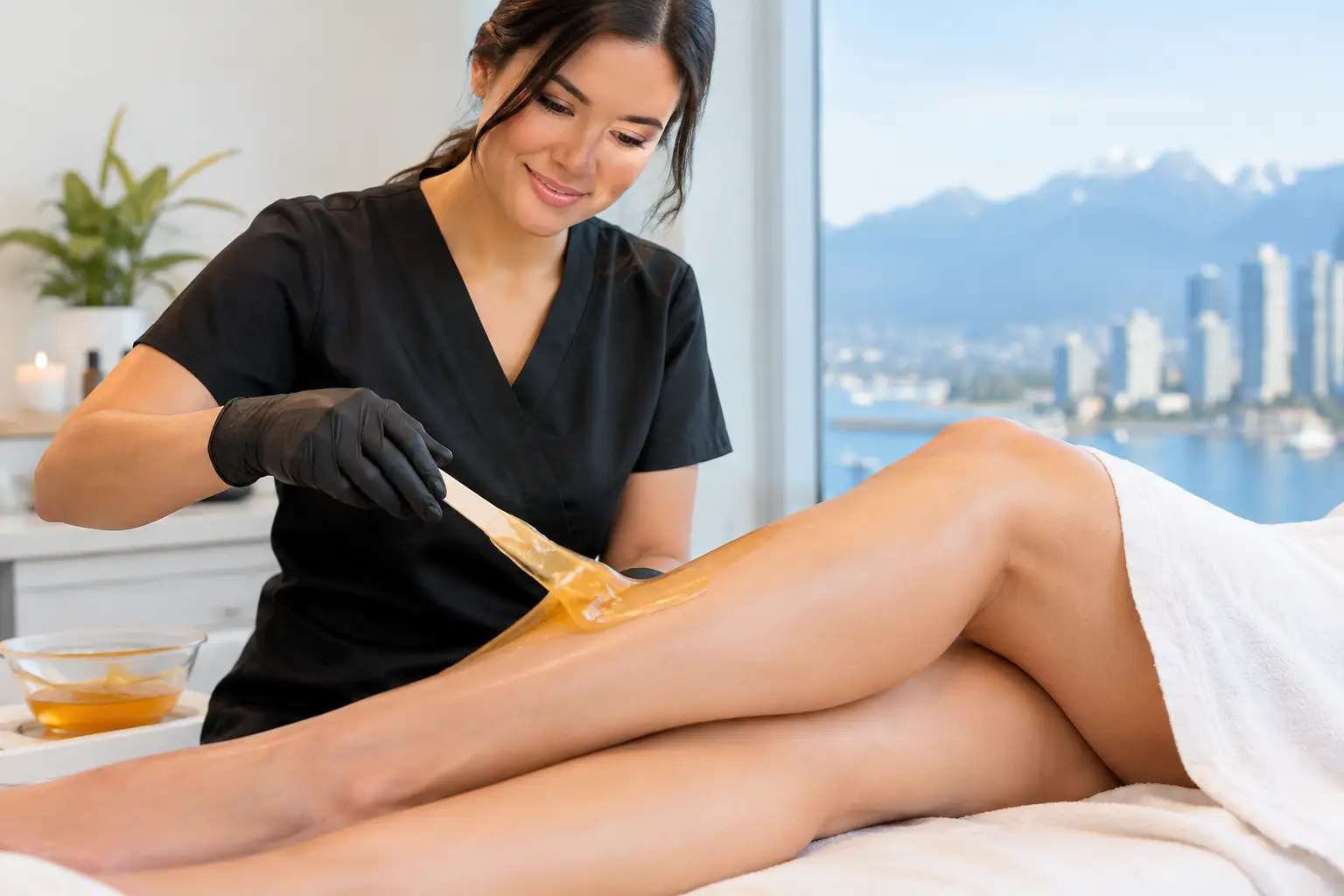
A great Brazilian appointment is not built on sugar paste alone. It is built on a practitioner who can read the skin, guide a nervous client through the service, maintain a clean setup, and adjust technique with calm confidence. That is why Vancouver sugaring education should be about far more than learning a series of hand movements. It should prepare you to deliver a thoughtful, professional experience that clients want to return to.
Sugaring can become a meaningful addition to an esthetics career, a practical side business, or a fresh path for someone returning to work. But like any hands-on service, the quality of your education shapes the quality of the care you provide. The right training gives you a foundation you can rely on when every client, body area, and skin concern is a little different.
What Professional Sugaring Education Should Teach
Sugaring is often described as simple because its paste is made from natural ingredients. The practice itself requires precision. The paste has a specific consistency, the application and removal use a particular direction and rhythm, and the practitioner needs to work efficiently without sacrificing client comfort.
A quality course begins with the fundamentals: how to prepare the paste, control its texture, hold the skin correctly, and remove hair effectively at a short length. Those basics matter because they influence everything that follows, from the smoothness of the result to how comfortable the service feels.
Just as importantly, training should explain why the technique works. When you understand how hair grows, how different areas of the body respond, and what can affect the skin on a given day, you can make informed adjustments instead of relying on a rigid script. A confident practitioner knows when to slow down, change their approach, or reschedule a service when the skin needs extra care.
Sanitation is part of the technique
Professional standards are visible in the smallest details. Clean hands, a prepared treatment space, properly managed supplies, and a clear no-double-dipping process help protect both the client and the practitioner. These are not background tasks to rush through before the appointment begins. They are part of what makes a client feel safe enough to relax.
Look for education that covers sanitation in practical terms, not only as a checklist. You should understand how to set up and reset your station, how to avoid cross-contamination, and how to maintain consistent procedures even when your schedule is full. This is especially important for intimate services, where discretion and cleanliness set the tone from the first moment.
Client care cannot be an afterthought
People book hair removal for many reasons. Some want a consistent self-care routine. Some are preparing for a vacation, navigating pregnancy, managing sensitive skin, or seeking help with hair that remains after other services. Their needs are personal, and their comfort matters.
Strong training teaches you how to welcome first-time clients, ask appropriate consultation questions, explain what they may feel during the appointment, and offer realistic aftercare. It should also cover when not to proceed. Knowing your professional boundaries is a sign of skill, not a limitation.
Your language matters, too. Clients do not need judgment, pressure, or assumptions about why they are there. They need straightforward information and a practitioner who treats every body with respect. That inclusive approach builds trust, particularly when a client feels vulnerable or is booking an intimate service for the first time.
Choosing Vancouver Sugaring Education for Your Goals
Before enrolling, be honest about what you want your training to help you do. An experienced esthetician may be looking to expand an existing menu with a specialized service. Someone building a side business may need more guidance around pacing appointments, pricing, setup, and earning confidence with real clients. A person changing careers may need both technical instruction and a clear picture of what daily practice looks like.
The best Vancouver sugaring education for you depends on your starting point, but the course should be transparent about its scope. Ask whether it includes theory, demonstrations, guided practice, sanitation instruction, consultation and aftercare, and ongoing support after the lesson ends. If a program promises fast results without enough attention to practice, it may leave you with information but not readiness.
Online education can be an excellent option when it is thoughtfully structured. It gives students the flexibility to learn around family, work, or existing appointments, and it allows you to revisit demonstrations as you refine your technique. For a tactile skill, however, video lessons alone are rarely the whole answer. Look for clear visual instruction, opportunities to ask questions, practice expectations, and feedback that helps you correct habits early.
Questions worth asking before you enroll
A training provider should be comfortable answering practical questions about how students learn and what happens after completion. Consider asking about the amount of technique demonstration, the kinds of body areas covered, whether the program addresses intimate services, and how students are supported as they begin working with clients.
It also helps to ask what materials you will need and whether the training teaches product knowledge rather than simply telling you what to buy. Understanding paste consistency, storage, preparation, and use is more valuable than memorizing a single routine. Your supplies should support your service standards, not create confusion when conditions change.
Finally, ask about the educator’s real-world experience. The strongest instructors connect technical lessons to the moments practitioners actually face: a client with delicate skin, hair growing in several directions, a warm treatment room, an anxious first appointment, or a service that is taking longer than expected. Those details are where confidence is built.
Practice Turns Instruction Into Skill
No one becomes fast and polished after one demonstration. Sugaring is learned through attentive repetition. At first, you may be focused on hand placement, paste control, and keeping the skin supported. With practice, those actions become more natural, leaving you free to focus on your client.
Start with manageable services and give yourself enough appointment time. Rushing can lead to frustration for you and discomfort for the person on your table. As your technique improves, your timing will improve too. A slower, caring service performed well is always a better foundation than trying to imitate the speed of an experienced practitioner on day one.
Keep notes after your practice sessions. Record what worked, where the paste felt difficult to control, how the client’s skin responded, and what you would do differently next time. This simple habit turns every appointment into useful education. It also helps you see progress that may be hard to notice in the moment.
If you are training while maintaining another job or caring for a family, set a realistic practice schedule. Consistency matters more than trying to do everything in one weekend. A few focused sessions each week can develop technique steadily while keeping your learning experience sustainable.
Building a Service Clients Trust
Technical ability gets clients smooth results. Professional care is what makes them come back. From the first inquiry through aftercare guidance, each interaction tells clients whether they are in capable hands.
Create a service environment that feels calm, clean, and welcoming. Explain the appointment process before you begin, check in without making the experience feel clinical, and give aftercare guidance that is simple enough to follow. When clients know what to expect, they are more likely to feel comfortable booking regularly and recommending you to someone else.
Your consultation process will become one of your most valuable tools. It helps you identify relevant skin considerations, understand the client’s goals, and set clear expectations. It also gives clients room to ask questions they may have been too embarrassed to ask elsewhere. Meeting those questions with warmth and factual guidance is part of premium service.
The Sugar Shack approaches practitioner education with this full picture in mind: skilled technique, thoughtful sanitation, and the kind of client care that makes self-care feel genuinely supportive. For students, that means learning a service that can grow with their career rather than a quick skill with no deeper foundation.
A strong education does not ask you to be perfect before you begin. It gives you the knowledge to practice responsibly, the standards to care for clients well, and the confidence to keep improving with every service you provide.