
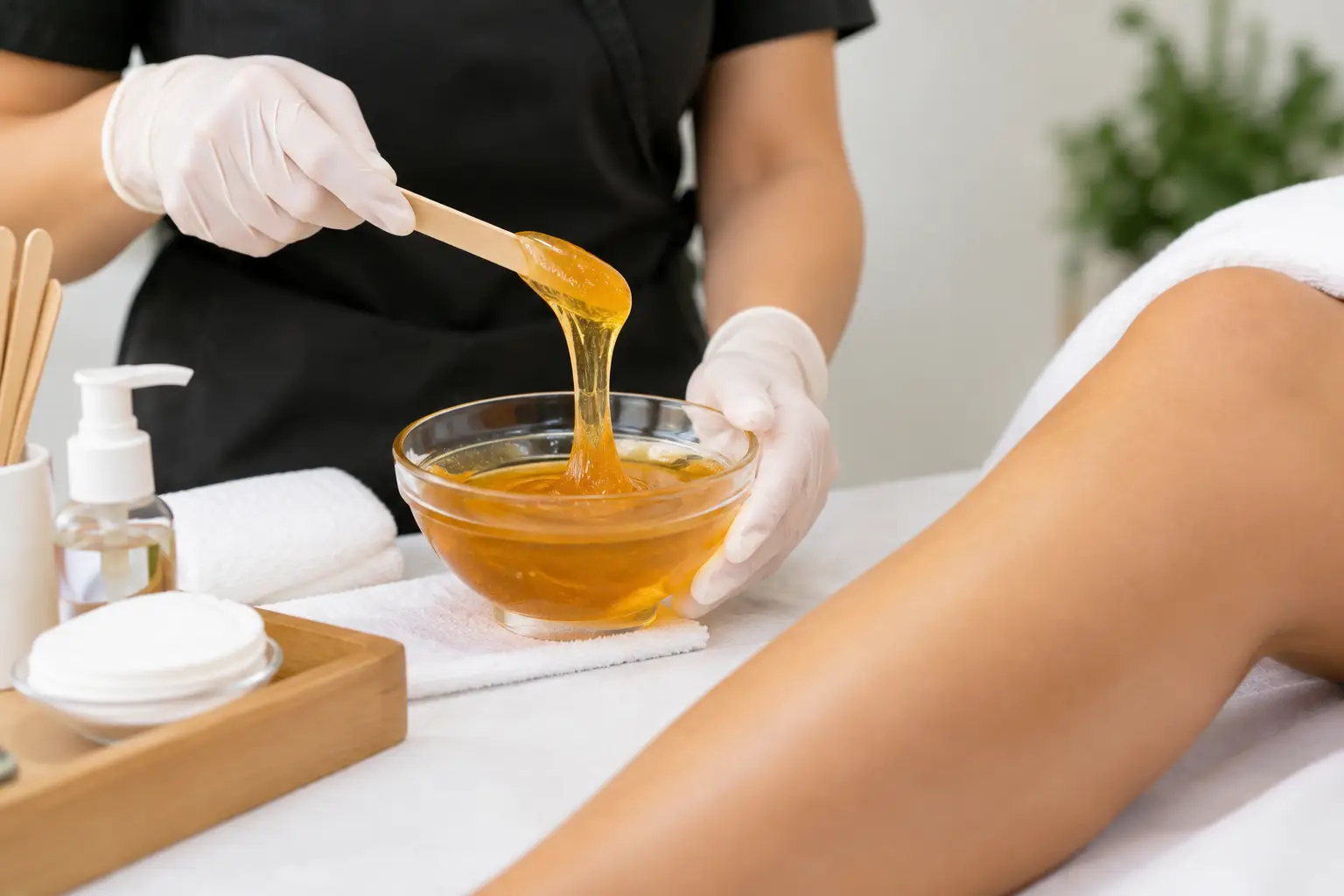
A client may never see the moments that make a sugaring service truly safe: the fresh gloves, the disinfected treatment bed, the closed product containers, and the practiced hand hygiene between every step. Yet those details shape everything they do feel – comfort, trust, and confidence in their skin. Sugaring sanitation mistakes can undermine even beautiful technique, which is why sanitation is not an extra task at the end of an appointment. It is part of the service itself.
For practitioners, especially those building a new service menu or refining their craft, clean habits protect clients, protect your reputation, and make your work feel more calm and professional. The goal is not perfection through panic. It is a clear, repeatable system that prevents cross-contamination and supports a polished client experience.
Why sanitation is part of professional sugaring
Sugaring paste is made from simple, skin-conscious ingredients, but its natural origin does not remove the need for rigorous hygiene. Once a service begins, the practitioner must protect the product, treatment space, tools, and client from contamination. That requires thoughtful setup, consistent technique, and a clean reset after every appointment.
A strong sanitation routine also makes intimate and full-body services feel more comfortable for clients. People are trusting you with close-contact care. When your room is orderly and your process is confident, clients can relax into an experience designed around their comfort.
Local licensing and public-health requirements can vary, so practitioners should always follow the rules that apply to their workspace. The standards below are practical foundations, not a substitute for required training or local regulations.
1. Starting without a clean-to-dirty plan
One of the most common sugaring sanitation mistakes happens before the client arrives: setting up a room without deciding what will remain clean and what will become contaminated during the service.
Think of your treatment room in zones. Fresh linens, prepared supplies, clean applicators, and protected product are clean. Used materials, touched surfaces, and anything that has contacted the client become dirty. Once an item crosses into the dirty zone, it should not return to the clean one without being properly cleaned and disinfected or discarded.
This is especially helpful when organizing a small studio or mobile setup. Place what you need within reach before the appointment begins, but do not crowd every surface. A simple, intentional setup reduces the temptation to open drawers, touch containers, or handle personal items with gloved hands midway through a service.
2. Treating gloves as a substitute for handwashing
Gloves are a barrier, not a replacement for clean hands. Put them on after washing and drying your hands, and change them whenever they become contaminated, torn, or no longer appropriate for the task.
For example, if you touch your phone, adjust your hair, open a door, handle cash, or move from a used item back to a clean supply, change your gloves. The same applies when switching between service areas if there is any possibility of transferring bacteria. A quick glove change is a small action that communicates real care.
Hand hygiene also belongs at the end of the appointment. Remove gloves correctly, discard them, and wash your hands before resetting the room. This protects your next client as much as the current one.
3. Double-dipping into the sugar paste
Professional sugaring technique should protect the paste from cross-contamination. The paste that contacts the client’s skin must never be returned to the main working supply. This is one of the clearest boundaries in a sanitary service.
Use a controlled method that keeps your product source protected throughout the appointment. Depending on your training and service system, that may mean portioning paste into a separate container or using a technique that prevents used material from reentering the clean jar. What matters is that the process is deliberate, consistent, and easy to repeat under pressure.
Avoid relying on memory alone when you are busy. Build your product-handling steps into your setup and closing routine. When the right container, applicator, and disposal method are already in place, sanitary technique becomes second nature.
4. Reusing disposable items or forgetting hidden surfaces
Single-use items are single-use for a reason. Cotton rounds, wooden applicators, bed paper, gloves, tissues, and similar disposables should be discarded after each client and never saved for a later appointment. It can feel wasteful at first, but client safety is never the place to cut corners.
The less obvious issue is the surface that gets missed. The treatment bed is only one part of the room. Product lids, lamp switches, stool controls, drawer handles, trolley tops, spray bottles, and the outside of your warmer can all be touched during a busy appointment.
Create a reset checklist that includes these high-touch areas. Clean visible debris first, then use the appropriate disinfectant exactly as directed by its manufacturer, including the required contact time. A surface is not disinfected just because it was sprayed and immediately wiped dry.
5. Skipping a proper skin assessment
Sanitation begins with knowing when not to proceed. Before every appointment, look at the skin and ask clear, respectful intake questions. A client may have irritation, broken skin, a rash, signs of infection, or another concern that calls for postponing the service or requesting medical guidance.
This conversation should be calm and matter-of-fact, never shaming. Clients may not know what is relevant to mention, particularly if they are new to intimate hair removal. Explain that these questions are there to protect their comfort and support healthy-looking skin.
If a service is not appropriate that day, offer thoughtful next steps rather than pushing through. A practitioner’s confidence is often most visible in the boundaries they are willing to keep.
6. Cleaning tools without fully disinfecting them
Reusable tools require more than a quick wipe. First, remove any residue through proper cleaning. Then disinfect with a professional product suitable for the item and follow its instructions for dilution, contact time, and safe use. Store clean tools in a way that prevents them from being exposed again before the next service.
Do not mix up cleaning and disinfecting. Cleaning removes visible soil and residue. Disinfection reduces microorganisms on a pre-cleaned hard, nonporous surface. Both steps matter, and the order matters too.
This is also where good recordkeeping can help. Label bottles clearly, keep safety information accessible, and maintain a simple schedule for routine cleaning tasks. A consistent system gives you confidence when your day gets full and makes staff training far easier.
7. Letting the rush between clients set the standard
Back-to-back appointments can test even experienced practitioners. When the next client has arrived early or a previous service ran long, it may be tempting to do a fast reset. That is when good sanitation habits need to be non-negotiable.
Build adequate turnover time into your booking schedule. The room needs to be cleared, disposed items removed, surfaces cleaned and disinfected, fresh linens added, and supplies replenished. You also need a moment to wash your hands, take a breath, and welcome the next person with your full attention.
If you work with a team, agree on exactly what a completed reset means. Vague expectations create inconsistency. Clear standards create a service experience that feels reliably polished, whether a client visits once or becomes part of your regular community.
Build sanitation into your professional confidence
The best sanitation systems are visible in the way a practitioner moves: prepared rather than rushed, attentive rather than overly cautious, and warm without becoming casual about safety. Clients do not need a lengthy explanation of every disinfectant step, but they notice a clean room, fresh materials, and the confidence of someone who knows what they are doing.
At The Sugar Shack, professional education is rooted in this balance of technical skill, client care, and high standards. For new practitioners, sanitation can feel like a long list to memorize. With hands-on repetition, it becomes part of the rhythm of excellent sugaring – a quiet promise that every client is being cared for with respect.
Let your sanitation routine be one of the reasons clients return: not because they are worrying about what happens behind the scenes, but because every part of the experience allows them to feel comfortable, cared for, and confidently smooth.