
An ingrown hair can turn an otherwise smooth, fresh-feeling treatment into a tender bump, visible dark spot, or frustrating cycle of picking and irritation. Sugaring for ingrown hairs can be a thoughtful part of a skin-conscious hair-removal routine, but it is not a guaranteed cure. Results depend on your hair type, skin, treatment timing, home care, and the skill of the practitioner.
The encouraging news is that many people find regular sugaring supports smoother-looking skin with fewer ingrown hairs over time. The goal is not perfection. The goal is to remove hair gently and consistently, then give the skin the conditions it needs to stay calm as new hair grows in.
How sugaring for ingrown hairs may help
An ingrown hair happens when a new hair curls or grows sideways into the skin instead of rising through the surface. It may look like a small bump, a pimple-like spot, or a darker mark after inflammation settles. Coarse, curly, or tightly coiled hair can be more prone to becoming ingrown, especially in areas where there is friction from clothing, sweat, or frequent shaving.
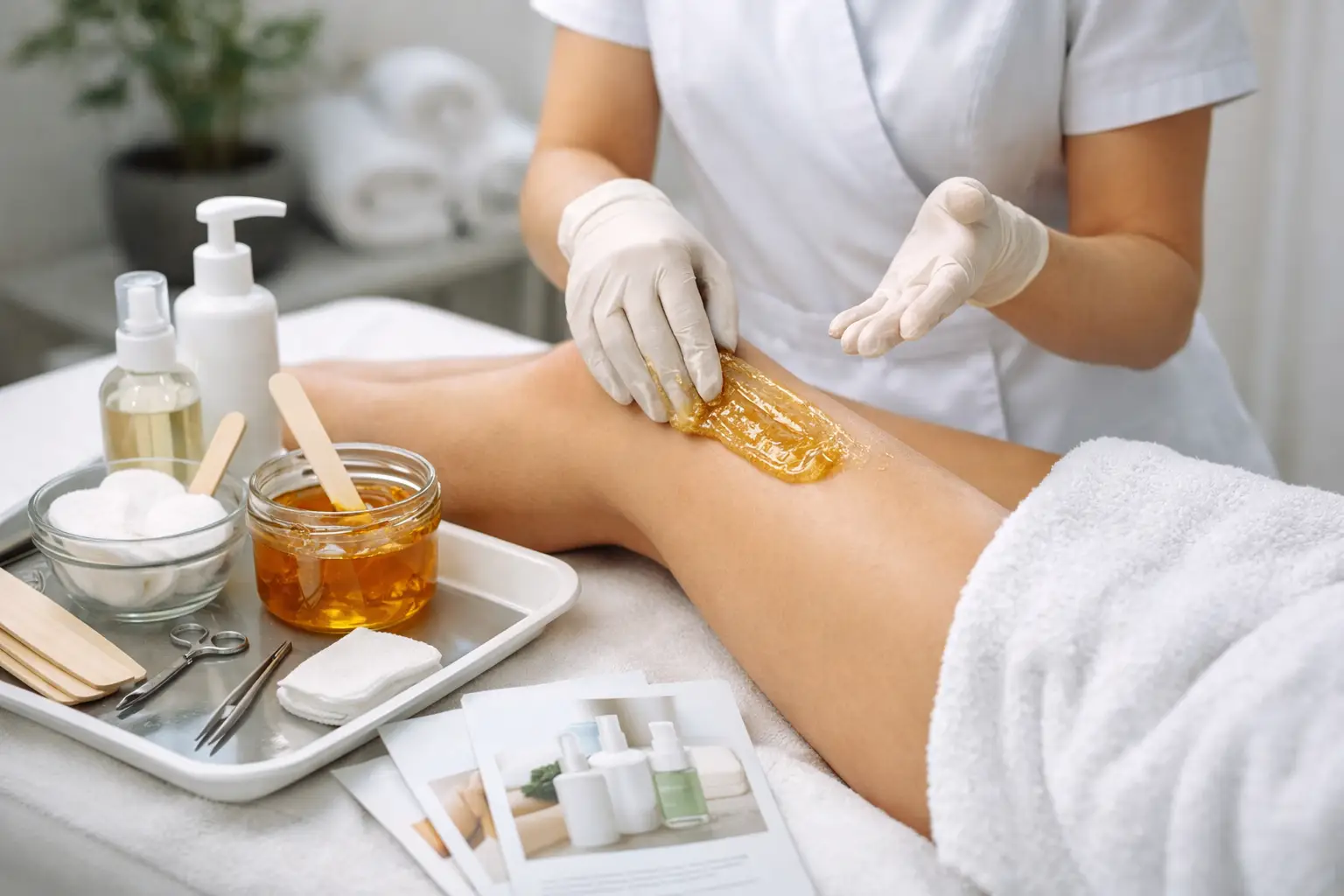
Professional sugaring removes hair from the follicle using a natural sugar paste. A well-trained practitioner works with the hair’s natural growth pattern and uses controlled technique to lift hair effectively, including hair that is quite short. That detail matters. When hair is removed cleanly and the skin is treated with care, there may be less irritation that encourages bumps and trapped hairs.
Consistency can also make a difference. With regular appointments, many clients notice that their regrowth feels softer or more sparse over time. Softer new growth may be less likely to catch beneath a buildup of dry surface skin. Still, bodies are individual. Hormones, medication, activity level, genetics, and skin conditions can all affect how your skin responds.
Why technique matters more than the paste alone
Natural ingredients are a lovely starting point, particularly for clients who prefer a simpler approach to body care. Yet the paste itself is only one part of the service. For ingrown-prone skin, thoughtful technique, hygienic practices, and client education are just as valuable.
A trained sugaring practitioner assesses the area before beginning. They consider hair length and density, the condition of the skin, your previous reactions, and whether there are already inflamed bumps that should be left alone. They also use clean, professional practices designed to prevent cross-contamination and protect the integrity of the service.
The removal motion needs to be deliberate. Too much repeated work over the same area can leave skin feeling overworked, while incomplete removal can lead clients to tweeze or shave between appointments. Both situations can make an already sensitive area harder to manage. This is why education and hands-on training are central to high-quality sugaring. Great results are built on judgment, not speed alone.
At The Sugar Shack, this client-care mindset is part of both the treatment experience and professional practitioner education. A comfortable appointment includes clear communication, skin awareness, and a plan that respects where your skin is today.
The right schedule can prevent the in-between cycle
Waiting too long between appointments can make it tempting to remove regrowth at home. For people prone to ingrown hairs, that in-between cycle is often where trouble begins. Short, sharp regrowth combined with repeated friction can create the perfect conditions for irritation.
Most clients do best with a regular schedule that allows hair to reach a workable length without becoming overly long. The ideal timing varies by body area and individual growth rate, but your practitioner can help you find a rhythm that feels manageable. Keeping a consistent routine also gives you and your practitioner a clearer picture of what is working.
If you are new to sugaring, give your skin a few sessions to adjust. The first appointment after a long period of shaving or irregular hair removal may not reflect your long-term experience. Hair often grows in different stages, so some unevenness is normal at first. Patience is part of the process.
Aftercare is where smoother skin is supported
The hours after a service are a time to keep things simple. Freshly treated skin can be more reactive, and heavy friction, heat, sweat, or strongly scented products may cause discomfort. Wear breathable clothing when possible, avoid touching the area unnecessarily, and follow the specific aftercare advice provided for the body area treated.
Once your skin has settled, gentle exfoliation can help clear dead skin cells that may trap new growth. The word gentle is essential. Aggressive scrubbing, harsh acids, or trying to dig out a hair can create more inflammation and increase the chance of discoloration or scarring.
A balanced routine usually includes mild exfoliation at appropriate intervals and regular moisture to support a soft skin surface. If your skin is sensitive, begin slowly. Use one new product at a time so you can recognize what agrees with your skin. For intimate areas, choose products intentionally and avoid applying anything that stings, burns, or leaves persistent redness.
Avoid picking, even when the bump is tempting
Picking can introduce bacteria, break the skin, and turn a small ingrown hair into a longer-lasting mark. If you can see a hair close to the surface, resist the urge to force it out. Keep the area clean, reduce friction, and allow time for it to release naturally.
For a bump that is painful, spreading, warm, draining, or repeatedly returning, pause hair removal in that spot and seek guidance from a qualified healthcare professional. Sugaring practitioners support cosmetic skin care, but infection, severe irritation, and persistent skin concerns deserve medical attention.
Who may need a more customized approach?
Sugaring can be adapted for many clients, including those with sensitive or mature skin, but customization matters. If you have eczema, psoriasis, active acne, a recent sunburn, broken skin, or a history of strong reactions, share that information before your appointment. A professional can help determine whether treatment is appropriate that day or whether the area needs time to recover.
Pregnancy, hormonal shifts, and certain medications can also change skin sensitivity and hair growth. There is no need to feel embarrassed about bringing up these details. A skilled practitioner welcomes the conversation because it helps them choose the safest, most comfortable approach.
People with curly or coarse hair may need more consistent exfoliation and more attention to friction-prone areas such as the bikini line, underarms, or legs. Clients who exercise often may benefit from planning appointments around intense workouts and wearing clean, loose-fitting clothing afterward. Small adjustments can make a meaningful difference.
What practitioners should teach clients about ingrown hairs
For professionals learning sugaring, ingrown-hair prevention is not just an add-on conversation at checkout. It begins with a thorough consultation and continues through sanitation, technique, treatment pacing, and realistic aftercare guidance.
A practitioner should never promise that sugaring will eliminate every ingrown hair. Instead, they can explain the factors within a client’s control: maintaining a schedule, avoiding in-between shaving, protecting freshly treated skin from friction, moisturizing, and exfoliating gently once the skin is ready. They should also know when a concern falls outside salon care and requires a medical referral.
This honest, attentive approach builds trust. It also helps clients see hair removal as a personal care routine rather than a standard they have to meet. Skin has texture. Bodies change. A supportive service makes room for both.
The most helpful next step is to observe your own pattern. Notice when bumps appear, what body area is affected, how your skin feels after treatment, and which habits seem to calm or aggravate it. With consistent professional care and a gentle home routine, smoother, more comfortable skin is a realistic goal worth working toward.