
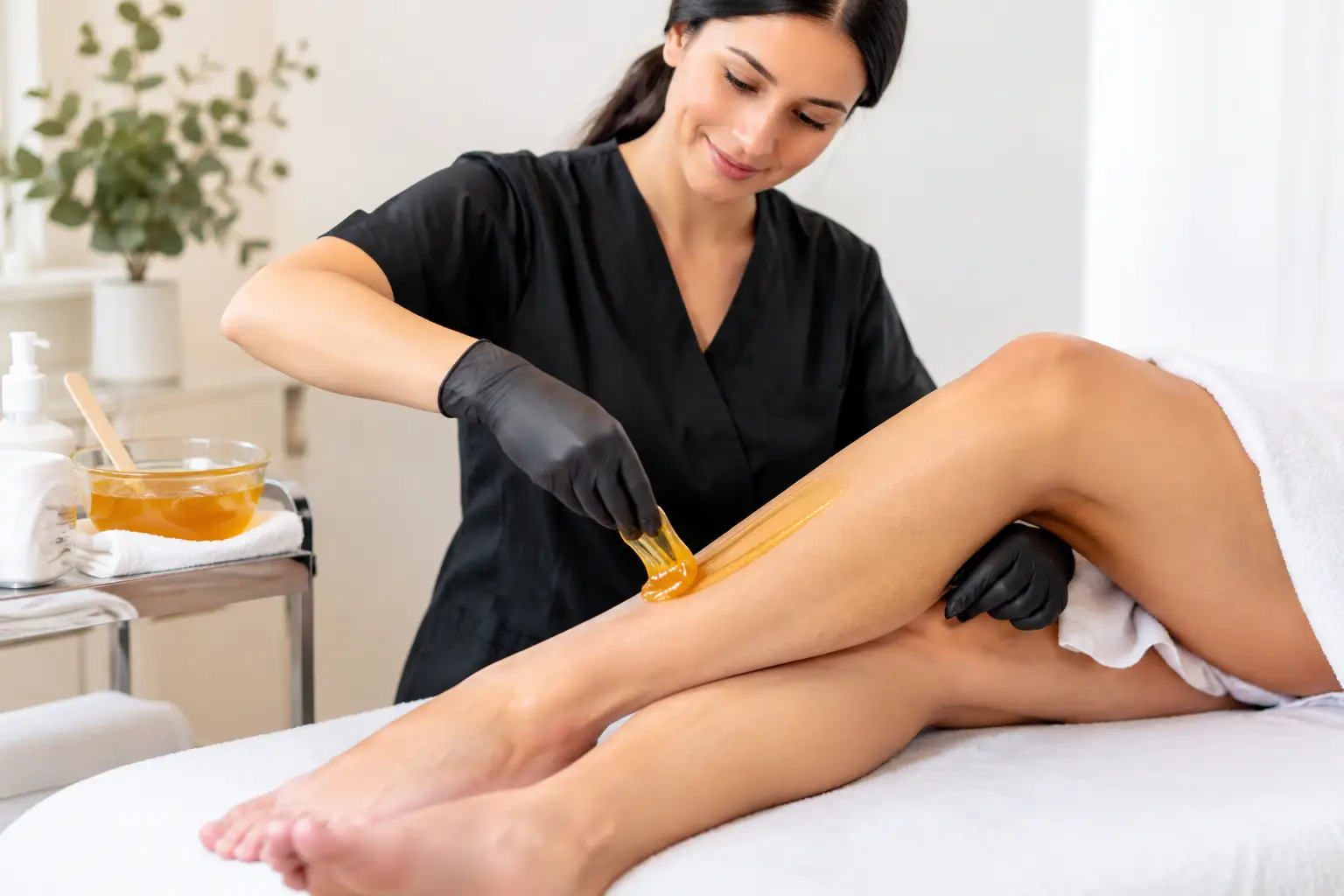
A side hustle sugaring case study is most useful when it looks beyond a highlight reel. The real question is not whether a few appointments can bring in extra money. It is whether you can learn a hands-on service well enough to make clients feel comfortable, cared for, and confident enough to return.
For many aspiring practitioners, sugaring offers an appealing path: a practical service, a flexible schedule, and the opportunity to create income around family, school, or another job. But the work asks for more than a product and a booking app. Professional technique, sanitation, consultation skills, and consistency are what turn an occasional appointment into a trusted service.
Meet the Practitioner: A Part-Time Plan With Real Standards
Consider Maya, a composite example based on the goals many new sugaring students bring into training. She works a weekday office job and wants a service-based side business that feels personal, skillful, and flexible. She does not want to rush into renting a large space or filling every evening with appointments. Her initial goal is more modest: build confidence, serve a small number of clients well, and create reliable supplemental income.
Maya begins by treating training as the foundation rather than a box to check. She learns how to work with sugar paste, remove hair efficiently, support different skin needs, prepare the service area, and communicate clearly throughout an appointment. Just as importantly, she learns when to slow down. A client with sensitive skin, a first-time Brazilian guest, and someone who has not had hair removal in a long time may all need a different pace, explanation, and aftercare conversation.
That distinction matters. Sugaring is often described as flexible work, and it can be. Flexibility does not mean casual standards. A practitioner may choose evening or weekend hours, but every appointment still needs clean preparation, thoughtful technique, proper sanitation, and a calm client experience.
The First 90 Days: Practice Before Profit
Maya’s first three months are not about maximizing bookings. They are about developing dependable habits. After completing professional education, she practices deliberately, following the same service flow each time: consultation, skin assessment, preparation, application, removal, cleanup, and aftercare guidance.
At first, her appointments take longer than she expects. This is normal. Speed without control can lead to unnecessary discomfort, missed hair, or a client who does not feel fully supported. Maya gives herself adequate appointment time and resists comparing her pace to an experienced practitioner’s. Technical confidence comes from repetition, not from rushing.
She also learns that the consultation is part of the service, not a formality. Clients have practical questions: How long should hair be? What should they do before their appointment? Can they come in if their skin feels reactive? How should they care for the area afterward? Clear answers build trust before the service even begins.
For early models, Maya keeps her pricing introductory but intentional. She does not offer services so cheaply that she cannot cover supplies, time, cleaning, and continued education. Instead, she explains that she is building experience while providing a careful, professional service. The clients who value that honesty are often the clients who give useful feedback and come back when they have had a positive experience.
What the Income Looked Like in This Sugaring Side Hustle Case Study
By month four, Maya is seeing six to eight clients a week over two evenings and part of Saturday. Her mix includes smaller maintenance services and a few longer full-body appointments. The exact pricing and income will vary by location, licensing requirements, operating costs, service mix, and experience level, but the pattern is worth examining.
If her average appointment brings in $55 and she completes seven appointments per week, that is $385 in weekly service revenue. Across four weeks, her gross revenue is approximately $1,540. From that amount, she sets aside money for professional supplies, sanitation materials, payment processing, business administration, taxes, and the cost of maintaining a clean, comfortable service environment.
Gross revenue is not take-home pay. This is where side-hustle conversations can become misleading. A practitioner who charges too little may look busy while earning very little for the hours involved. Maya tracks every cost from the beginning, including consumable products, linens, cleaning supplies, booking fees, and any space-related expense. That information helps her price services with clarity rather than guesswork.
Her first meaningful milestone is not a dramatic monthly number. It is having enough returning clients to make her schedule feel predictable. Returning guests reduce the pressure to constantly find new bookings. They also reflect the quality of the experience: clients remember gentle professionalism, clear communication, and results that support their routine.
The Decisions That Protected Her Reputation
Maya’s strongest business decision is saying no when she needs to. She does not work outside the scope of her training or local requirements. She does not proceed when a client’s skin condition or health history calls for a pause, a referral, or a different plan. She does not make promises that every person will have the same experience or result.
Those boundaries are not barriers to growth. They are part of what makes a practitioner trustworthy. In personal-care services, reputation travels through conversations. A client may forget a promotional price, but they will remember whether they felt safe, respected, and listened to.
She also creates a simple cancellation policy and communicates it kindly. As a side hustler, her available hours are limited. A last-minute cancellation can mean lost income and wasted preparation time. Clear policies protect both the practitioner’s schedule and the client’s understanding of what they have reserved.
Privacy becomes another central practice. Clients should never feel that their body, personal details, or appointment experience will become casual conversation or social content. Maya asks permission before sharing any testimonial and keeps client information organized and secure. This is especially important for intimate services, where trust is essential.
Why Training Changed the Business Equation
It is possible to buy supplies quickly. It is much harder to build the judgment behind a quality service. Training gives Maya a framework for technique, hygiene, contraindications, client communication, and problem-solving when an appointment does not go exactly as planned.
The Sugar Shack’s approach to practitioner education reflects a truth that new providers often discover early: clients can feel the difference between someone who is simply performing steps and someone who understands the service. Confident practitioners explain what they are doing, adjust with care, and create an experience that feels polished from check-in through aftercare.
Education also helps reduce the emotional strain of being new. Instead of guessing why sugar paste behaves differently in changing room conditions or feeling panicked by a client question, Maya has principles to return to. She continues practicing, reviewing her technique, and asking for guidance as she grows.
The Trade-Off: Flexibility Requires Structure
A sugaring side hustle can fit around a full life, but it still needs boundaries. Maya blocks preparation and cleanup time around every appointment. She sets a cap on the number of clients she can see in one evening. She keeps one night each week free, even during busy periods, because exhaustion can show up in both technique and client communication.
She also accepts that growth may be gradual. Some months are busier than others. Referrals take time. Seasonal changes, personal schedules, and local demand all affect bookings. Rather than seeing a quiet week as failure, she uses it to practice, restock, improve her intake process, or reconnect with clients who are due for maintenance.
This is the practical beauty of a skill-based side business: it can start small without being treated as small. A carefully built schedule of returning clients may be more sustainable than chasing a packed calendar before your systems and confidence are ready.
Building a Side Hustle Clients Want to Return To
Maya’s case study does not end with a viral launch or an overnight leap into full-time work. It ends with something more useful: she has a service she can stand behind. Her clients know what to expect, her standards are consistent, and her income is growing at a pace that fits her life.
If sugaring is calling to you as a side hustle, begin with the question that matters most: can you commit to learning the craft with care? When skill, sanitation, and client comfort lead the way, extra income becomes more than a possibility. It becomes the natural result of work people feel good returning to.