
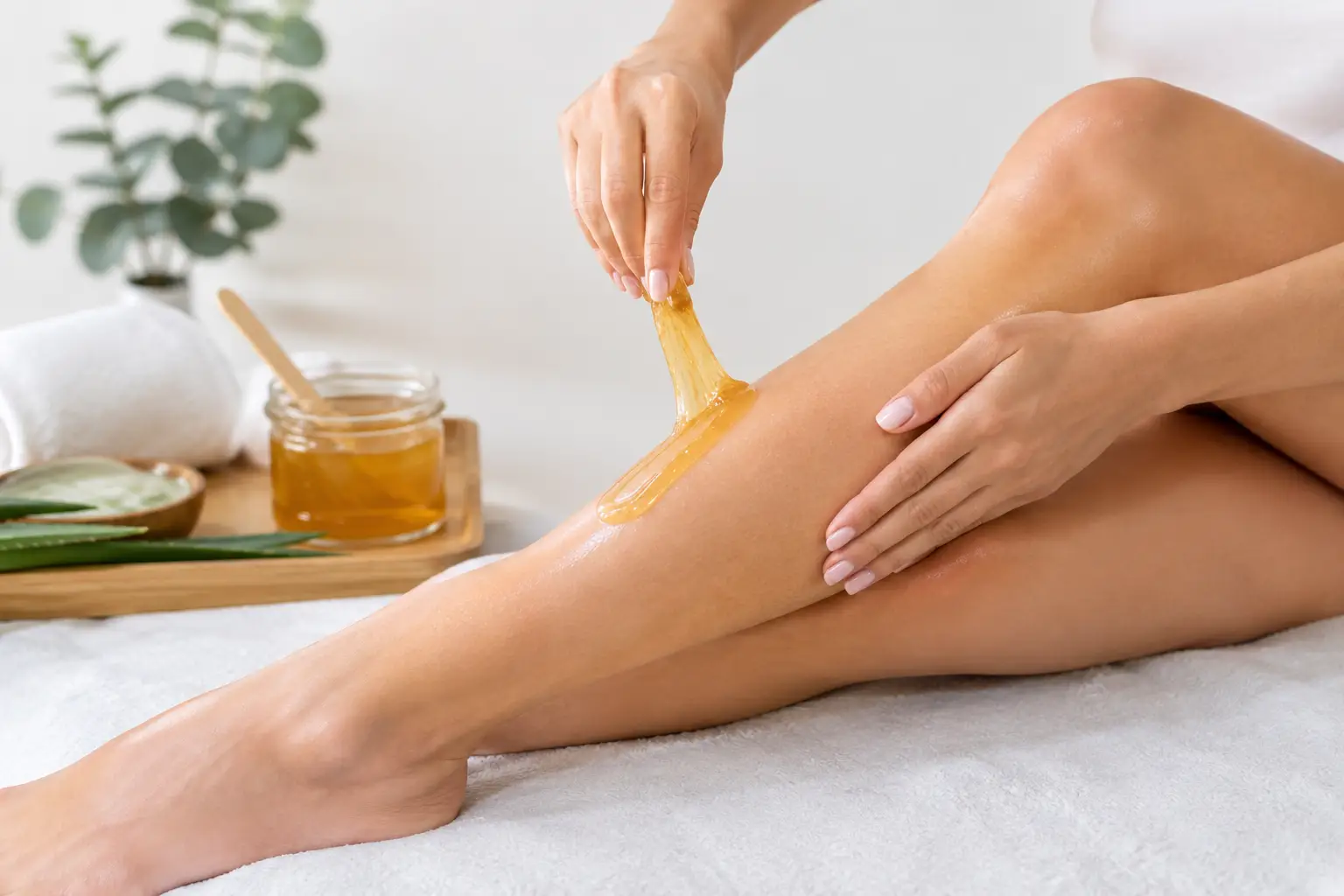
A little post-appointment pinkness can feel alarming when you were expecting silky, radiant skin right away. Knowing how to treat sugaring redness starts with recognizing that temporary redness is often a normal skin response after hair is removed from the follicle. The goal is not to overcorrect it with a cabinet full of products. It is to give your skin a clean, calm, low-friction window to settle.
At The Sugar Shack, client comfort and thoughtful aftercare are part of every smooth-skin routine. Here is what redness can mean, how to soothe it safely, and when it deserves more attention.
Why Skin Can Look Red After Sugaring
Sugaring removes hair from the root, so the skin and hair follicles can look pink or red afterward. This is especially common after a first appointment, a longer stretch between services, or treatment in areas with naturally delicate skin. Heat, friction, exercise, and close-fitting clothing can make that redness appear more noticeable in the hours that follow.
Everyone’s skin has its own baseline. Some clients settle within 30 minutes, while others remain pink for several hours. Sensitive, dry, mature, or easily reactive skin may need a little more quiet time. Redness alone does not automatically mean something went wrong.
What matters is the pattern. Mild, evenly distributed redness that gradually fades is different from increasing pain, swelling, heat, blistering, or a spreading rash. A skilled practitioner considers skin condition, hair growth, medication disclosures, sanitation, pressure, and technique before and during a service because these details influence both comfort and recovery.
How to Treat Sugaring Redness at Home
The kindest thing you can do right after your appointment is keep the area cool, clean, and undisturbed. Avoid touching it unnecessarily, even if you are tempted to check the smoothness. Freshly treated skin benefits from less friction, fewer ingredients, and a little patience.
A clean, cool compress can offer relief if the skin feels warm. Use a soft cloth dampened with cool water, then hold it gently against the area for a few minutes. Do not apply ice directly to the skin, as extreme cold can create additional irritation.
For the rest of the day, wear loose, breathable clothing where possible. This is particularly helpful after body or bikini-area services, when seams and tight fabrics can rub against newly treated follicles. Choose a gentle, fragrance-free moisturizer only if your skin feels dry and you already know it agrees with you. Apply a light layer rather than layering multiple products.
If your face was treated, skip makeup for the rest of the day when you can. If you need to wear it, use clean tools and choose familiar, non-irritating products. The same principle applies to body care: this is not the moment to experiment with a new scented lotion, body oil, or active treatment.
What to Avoid for the First 24 Hours
Redness usually settles best when the skin is protected from heat, sweat, bacteria, and unnecessary exfoliation. Think of the first day as a recovery window, especially if you are new to sugaring or know your skin is reactive.
Avoid hot baths, saunas, steam rooms, hot yoga, intense workouts, and swimming for about 24 hours. Heat and perspiration can make follicles feel more irritated, while shared water environments may introduce bacteria to vulnerable skin. A lukewarm shower is the gentler choice.
Also pause exfoliating acids, retinoids, scrubs, fragranced products, self-tanner, and strong deodorants on the treated area. These products can sting and prolong visible redness. If you use prescription skin treatments, follow the guidance of your prescribing clinician and tell your practitioner before future appointments.
Sun exposure deserves special care. Freshly treated skin may be more sensitive, so keep it covered when practical and use a broad-spectrum sunscreen once the area is calm enough for your usual formula. If sunscreen normally stings after hair removal, shade and protective clothing are often the more comfortable short-term option.
Redness, Bumps, and Ingrown Hairs Are Not the Same
It helps to name what you are seeing before trying to fix it. Temporary redness is often diffuse pinkness that fades. Small raised bumps may be a short-lived follicular response, particularly after a first service or in areas exposed to sweat and friction. Ingrown hairs tend to appear later, often days after an appointment, as new hair begins to grow.
Treating every concern the same way can make things worse. Scrubbing skin that is still red and sensitive may create more irritation. Instead, wait until the initial tenderness and redness have fully calmed before restarting a gentle, consistent exfoliation routine recommended for your skin.
For regular clients, prevention is usually more effective than a last-minute fix. Staying on a consistent appointment schedule can support a more predictable hair-growth cycle. At home, gentle exfoliation between visits, clean skin, and breathable clothing can all help reduce the conditions that contribute to congestion and trapped hairs. Your practitioner can help tailor timing based on the area treated and how your skin responds.
When Redness Needs Medical Attention
Most post-sugaring redness resolves without intervention, but your comfort and safety always come first. Contact a qualified health care professional promptly if redness is worsening rather than improving, is intensely painful, feels hot to the touch, spreads beyond the treated area, or comes with significant swelling, pus, blisters, fever, dizziness, or trouble breathing.
Seek urgent medical care for signs of a serious allergic reaction, such as facial swelling, widespread hives, wheezing, or difficulty breathing. Do not try to cover a severe reaction with makeup, fragranced products, or a heavy ointment.
If you have a history of skin allergies, eczema flare-ups, folliculitis, or a medical condition that affects healing, mention it during your consultation. A professional practitioner may suggest a patch test, modify the service, postpone treatment, or recommend that you check with your clinician first. This is not a setback. It is thoughtful client care.
A Better Plan for Your Next Appointment
If you experienced more redness than expected, share that information before your next service. A good practitioner wants to know how your skin felt in the hours and days afterward, not only how it looked when you left. Details such as new skin-care products, recent sun exposure, medication changes, exercise plans, and sensitivity in a particular area can guide a more personalized approach.
For practitioners, this is where professional education matters. Confident sugaring is not simply about hair removal. It involves consultation skills, sanitation, skin observation, correct paste handling, body positioning, client communication, and clear aftercare guidance. A calm result often begins long before the first application, with the questions asked and the standards followed.
Clients can help, too. Arrive with clean skin, avoid scheduling immediately before a high-sweat activity when possible, and give yourself some breathing room afterward. If you are preparing for a vacation, celebration, or photos, book early enough to allow your skin time to settle. First-time clients may prefer a few days of cushion rather than an appointment on the same day as an important event.
A gentle reminder for sensitive skin
Sensitive skin does not mean you cannot enjoy smooth results. It means your routine should be more intentional. Keep aftercare simple, stay consistent with the products your skin already tolerates, and communicate openly with your practitioner. The most luxurious result is not just smooth skin for a moment, but skin that feels comfortable, cared for, and confidently yours.