
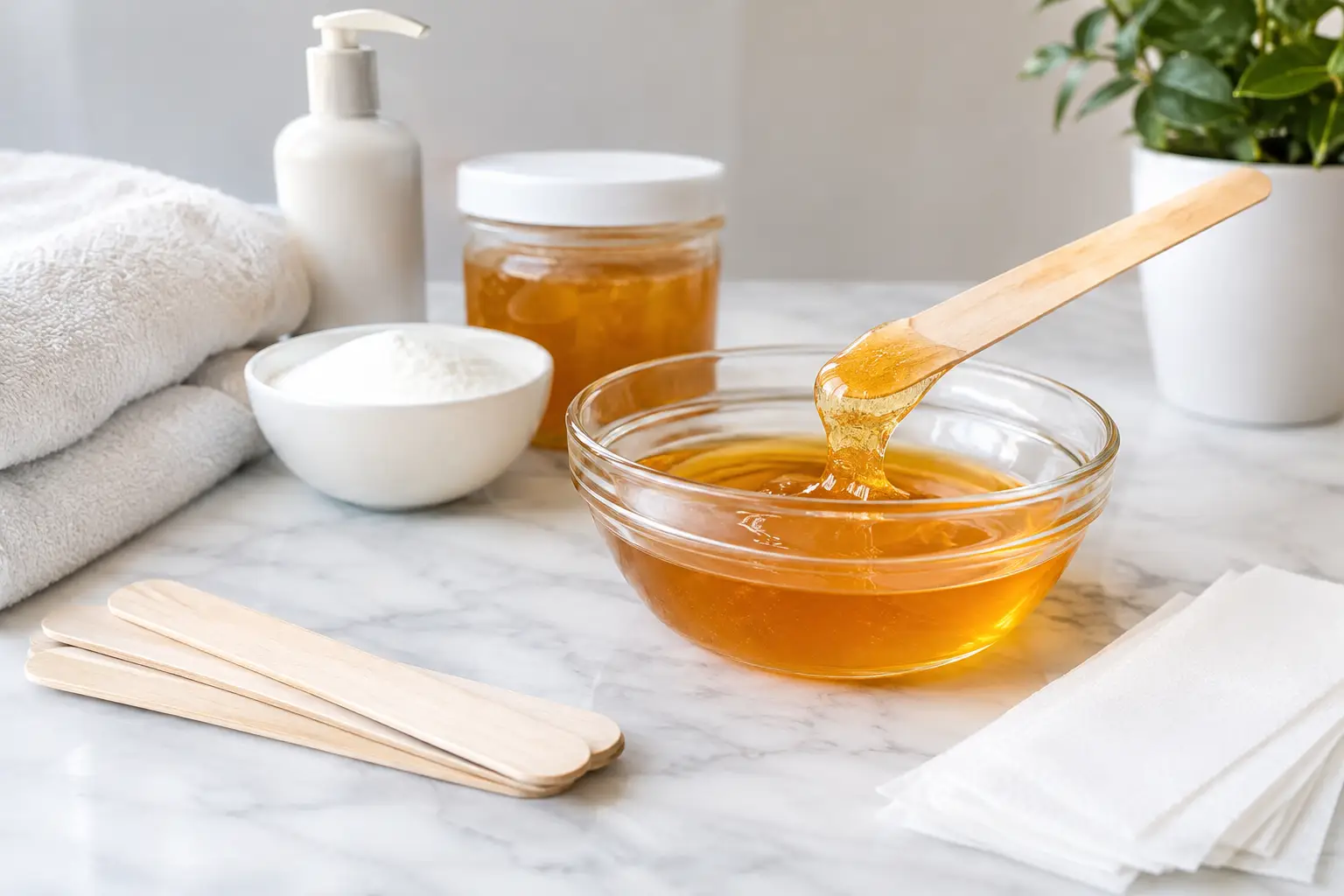
A beautiful sugaring service does not begin when the paste touches the skin. It begins with a clean, organized setup and a practitioner who knows exactly why each item is there. For anyone building a new service menu, the essential tools for sugaring beginners are not about filling a cart with every product available. They are about creating a sanitary, comfortable, professional experience that lets technique shine.
A smaller, intentional kit is often the best place to start. Quality tools support consistency, protect client comfort, and make it easier to develop good habits from your first practice model through your first paying appointments.
Essential Tools for Sugaring Beginners: Start With the Core Kit
At the center of every service is professional sugar paste. Choose a paste made for body sugaring, with a texture that suits the treatment area, the room temperature, and your developing technique. A workable paste should allow you to mold and control it without constantly fighting its consistency. Beginners often benefit from learning how temperature, humidity, body heat, and hair density affect the paste before stocking several formulas.
You will also need a reliable warmer if the paste you use requires one. The goal is gentle, even warming, not excessive heat. A temperature-controlled warmer helps you maintain a comfortable consistency and prevents the frustration of paste that is too soft to control or too firm to spread smoothly. Keep the warmer clean, stable, and positioned where it can be reached without interrupting your body mechanics.
For most professional services, have both a hand-method setup and a spatula option available. The hand method calls for practiced control and careful sanitation, while a spatula can be useful in certain service situations and while you are learning paste behavior. Your training should guide you on when each method is appropriate and how to avoid contaminating your product. The tool matters, but your protocol matters more.
Skin Preparation Is Part of the Service
Skin preparation products are not optional extras. They help create the clean, dry surface that supports effective hair removal and a more comfortable appointment. Start with a gentle pre-service cleanser designed to remove surface oils, perspiration, and everyday residue without leaving the skin feeling stripped.
After cleansing, a light dusting powder helps absorb remaining moisture and gives the paste a more reliable surface to grip. Use it thoughtfully. Too much powder can create a chalky barrier that makes your work harder; too little may leave you chasing moisture. A soft powder brush or clean applicator makes it easier to use only what is needed.
A soothing post-service product belongs in every beginner kit as well. Choose a simple, skin-conscious formula that feels calming after hair removal and supports the client’s comfortable, radiant finish. This is also the moment to share realistic home-care guidance. Great service includes helping clients understand what their skin may need between appointments, not simply sending them out the door smooth.
Sanitation Tools Build Client Trust
Clients may not know the name of every product on your trolley, but they notice cleanliness. They notice whether your space feels prepared, whether you change gloves at the right time, and whether you handle supplies with care. Those details communicate professionalism before you say a word.
Your sanitation setup should include disposable gloves in multiple sizes, hand sanitizer, approved surface disinfectant, clean treatment-table coverings, disposable wipes or towels, and a lined waste bin that can be accessed easily. Keep clean items separate from used items, and establish a clear routine for resetting the treatment area between every client.
Single-use applicators and a strict no-return-to-product practice are central to protecting your paste and your clients. Once an applicator has touched skin, it should not go back into the product container. This is a practical standard that supports zero cross-contamination and helps you work with confidence.
Do not treat sanitation as a checklist you rush through after the appointment. Build it into the rhythm of your service: prepare, perform, dispose, disinfect, reset. When this sequence becomes automatic, you can stay present with your client while maintaining the standard they deserve.
The Treatment Space Needs a Few Quiet Essentials
A comfortable treatment bed, fresh linens, and good lighting are foundational. Your client needs to feel securely supported, especially during longer or more intimate services, while you need a working height that protects your back, shoulders, and wrists. If your table is adjustable, take time to learn the height that allows you to maintain strong posture.
Lighting deserves more attention than it usually gets. Clear, focused lighting helps you assess skin, see fine hairs, and work precisely without leaning or straining. A well-lit room also creates a sense of care and professionalism. It does not need to feel clinical, but it should allow you to see what you are doing.
Keep a few clean towels nearby for draping, modesty, and client comfort. A small pillow or bolster can make positioning more supportive, and a blanket can be especially appreciated when a client is feeling cool. These details are simple, but they transform a hair-removal appointment into a considerate self-care experience.
Your Tools Need an Organized Home
New practitioners sometimes buy the right supplies but lose time because their stations are not organized. A rolling trolley, closed storage bins, labeled containers, and a dedicated place for clean linens will make your work feel calmer from day one. Set up your workspace in the order you use it: preparation supplies first, paste and application tools next, then post-service care.
This organization also helps you notice when inventory is low. Running out of gloves or clean table coverings in the middle of a busy day is not a small inconvenience. It can compromise the flow and standard of your service. Create a simple restocking routine at the end of each workday so your treatment room is ready before your next client arrives.
Practice Tools Help Turn Knowledge Into Skill
Professional tools are only one half of the investment. The other half is education and repetition. A beginner may have excellent paste, a pristine trolley, and a beautiful room, yet still need hands-on guidance to understand skin tension, paste control, client positioning, and how to adapt when a service does not go exactly as planned.
Practice on models gives you the opportunity to build those skills in a lower-pressure setting. Keep a notebook or digital record of what you observe: the paste consistency you used, room conditions, the area treated, what felt smooth, and what you would adjust next time. This is not about judging every service. It is how you begin seeing patterns and making informed choices.
A quality training program should teach more than product use. Look for education that covers consultation, contraindications, sanitation, body mechanics, hair-growth patterns, skin care, communication, and aftercare. The Sugar Shack approaches practitioner training with this full-service perspective because confident work comes from understanding the why behind every step.
What Not to Buy Too Soon
It is tempting to purchase every specialty accessory before you have completed your first round of training and practice. Resist that urge. An oversized inventory can create clutter, waste money, and distract from the skills that matter most.
Begin with dependable core supplies, then add tools when you understand a real need. For example, you may later choose different paste consistencies for specific conditions, more advanced lighting, upgraded linens, or storage that fits a growing client schedule. Those purchases will be more useful when they respond to your actual service experience rather than a beginner’s guess.
The same goes for retail products. Offering thoughtful home care can be valuable, but first become confident explaining how and when clients should use it. Recommendation is part of client care, not a sales script.
Build a Kit That Reflects Your Standards
The right starter kit is not the biggest one. It is the one that allows you to provide clean, attentive, consistent care while you refine your technique. Invest in professional paste, preparation and finishing products, sanitation supplies, reliable treatment-room basics, and education that gives every tool a purpose.
As your confidence grows, your kit will grow with you. Let each new addition support better comfort, clearer results, and a service experience your clients will be happy to return to.