
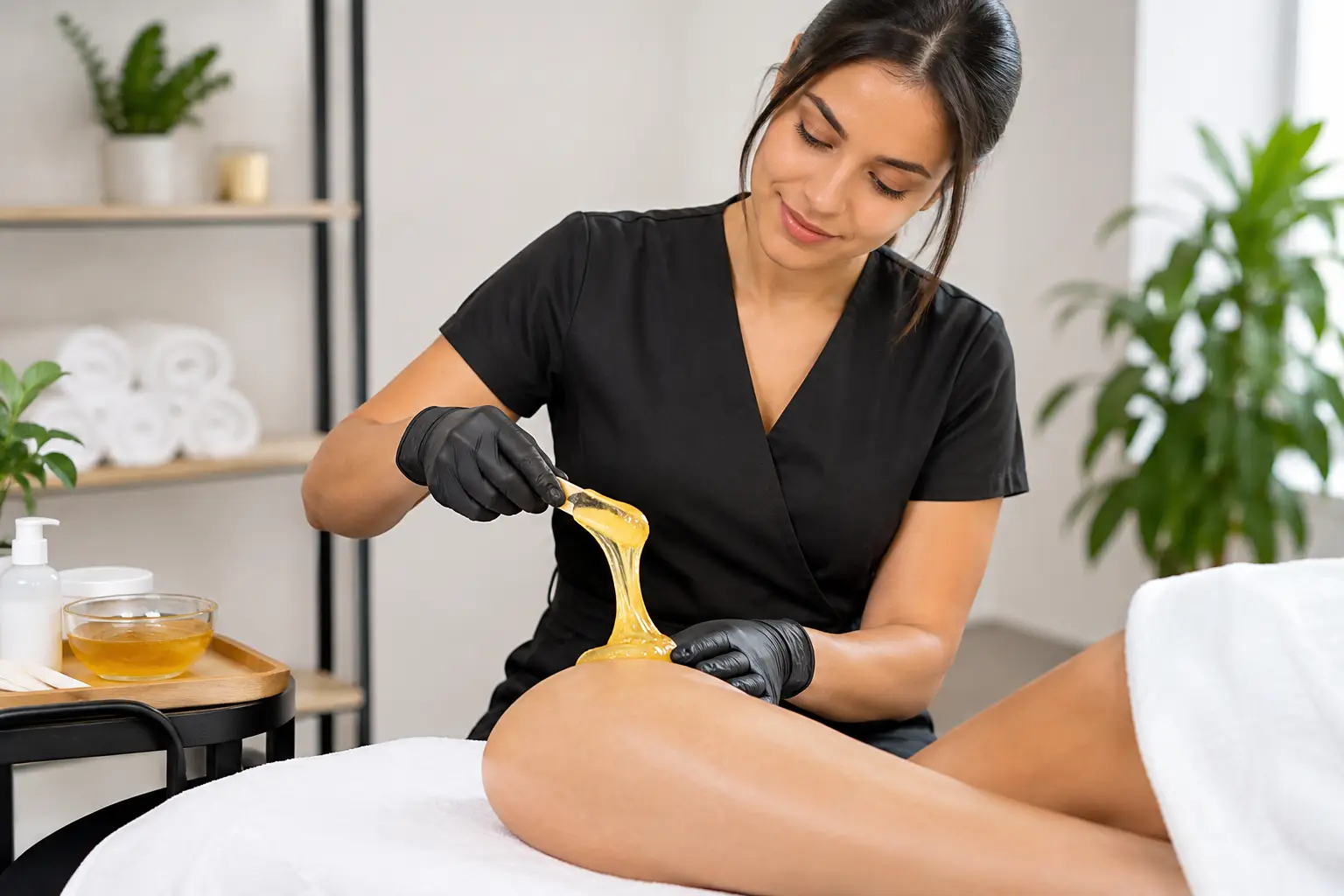
A career change does not always begin with a dramatic leap. Sometimes it starts with wanting work that feels more personal, more flexible, and more connected to helping people feel comfortable in their own skin. A sugaring career change can offer that kind of practical fresh start, whether you are returning to work, adding a skill to an existing beauty practice, or building a service-based business of your own.
Professional sugaring is not simply about hair removal. It is a hands-on service rooted in technique, sanitation, thoughtful consultation, and client trust. The work can be deeply rewarding, but it also asks for focus, practice, and a genuine interest in caring for people well.
What a Sugaring Career Change Can Look Like
There is no single reason people choose sugaring as a new professional path. An esthetician may want to broaden their service menu with a skin-conscious specialty. A parent or caregiver may be looking for a flexible skill that can fit around family life. Someone leaving a desk job may be ready for work that is active, social, and more immediately fulfilling.
Sugaring can support several career models. Some practitioners work in established salons or spas, while others build an independent studio, rent a treatment room, or begin with a smaller part-time schedule as they grow their client base. The right route depends on your finances, local licensing requirements, available workspace, and the amount of time you can realistically devote to training and appointments.
That flexibility is appealing, but it is not the same as instant freedom. A new practitioner still needs to practice their technique, manage bookings, maintain supplies, communicate clearly with clients, and build a reputation one appointment at a time. For many people, that process is exactly what makes the work meaningful: you are developing a skill that clients can feel and trust.
Why Sugaring Appeals to Career Changers
A service career can be a welcome shift for people who want their work to have a visible, human result. Clients often arrive feeling nervous, rushed, or unsure, especially when trying a new hair-removal routine. A skilled practitioner creates a calm, clean environment and helps turn that appointment into a moment of self-care.
Sugaring also appeals to clients who value natural ingredients and a gentler approach to smooth skin. Professional sugar paste is applied with intentional technique, and the quality of the experience relies on far more than the product itself. Proper body positioning, paste control, hair direction, skin awareness, and aftercare guidance all affect comfort and results.
For the practitioner, that means there is real craft involved. You are not offering a one-size-fits-all service. You are learning to assess the treatment area, adapt to different hair textures and skin needs, maintain appropriate hygiene, and communicate with warmth and confidence.
The client relationship matters
Many clients return on a regular schedule, which gives practitioners the opportunity to build lasting professional relationships. You may support someone through their first intimate service, help a busy client establish a low-maintenance routine, or provide attentive care to someone whose skin has changed with age or pregnancy.
Trust is earned through consistency. Clients notice when their practitioner is prepared, respectful, attentive to comfort, and transparent about what to expect. Those skills are just as valuable as technical speed.
Training Is the Foundation, Not a Formality
If you are considering a career in sugaring, quality education should be at the center of your decision. A short introduction may help you understand the basics, but professional readiness takes guided learning and repeated practice.
Strong training should cover the full service experience: paste handling, application and removal technique, sanitation procedures, contraindications, consultation, client positioning, aftercare, and business-minded professionalism. You should understand why each step matters, not just memorize a sequence.
Sanitation deserves particular attention. Clients trust practitioners with close-contact services, sometimes in sensitive areas. Professional standards include clean setup and breakdown, appropriate single-use practices, correct product handling, and clear procedures designed to prevent cross-contamination. These details protect both the client and the practitioner while signaling that your business takes care seriously.
Online education can be an accessible way to begin, particularly for people balancing other responsibilities. However, be honest about the practice required after the lessons end. Watching a technique is different from developing steady hands, reading hair growth patterns, and working efficiently while keeping a client comfortable. Look for training that provides clear demonstrations, thoughtful education, opportunities to ask questions, and a realistic path for continued practice.
Before enrolling, check the regulations where you plan to work. Requirements for providing professional hair-removal services can vary by state, province, city, or workplace. A responsible career plan includes understanding the credentials, permits, insurance, and sanitation rules that apply to you.
The Skills That Make a Practitioner Stand Out
Technical ability gets stronger with repetition, but the most successful practitioners develop a wider set of professional skills. They listen without judgment, explain the service in clear language, and create boundaries that help every client feel respected.
They also learn to slow down when necessary. Efficiency is valuable, especially as your schedule fills, but rushing can undermine client comfort and the quality of your work. Early in your career, it is better to build sound habits than chase a fast appointment time.
A few qualities tend to serve new practitioners especially well:
- Patience with the learning curve and commitment to regular practice.
- Strong attention to cleanliness, preparation, and detail.
- Calm communication, including the ability to reassure nervous clients.
- Professional boundaries and respect for all bodies and identities.
- Reliability with appointments, follow-up, and ongoing education.
You do not need to be naturally outgoing to succeed. Some clients prefer a quiet, peaceful appointment, while others enjoy conversation. What matters is your ability to read the room, stay present, and make each person feel welcome.
Planning the Financial Side of a Career Change
A sugaring career can become a valuable source of income, but it should be approached with a clear-eyed plan. Your earnings will depend on your location, services offered, hours worked, pricing, overhead, and how quickly you build repeat business. If you are self-employed, you will also be responsible for supplies, workspace, insurance, taxes, scheduling tools, and marketing.
For that reason, many career changers begin gradually. Keeping another job while taking training, practicing with suitable models, and building a small client list can reduce pressure during the early stage. Others prefer the structure of joining an established business, where they can gain experience within an existing service environment.
Neither approach is automatically better. Independence can offer control over your schedule and brand, while a salon setting may provide mentorship, team connection, and more consistent client exposure. Consider what kind of support you need, not only what kind of freedom you want.
Building Confidence Before You Feel Fully Ready
Almost every new practitioner has a period where the technique feels awkward. Sugar paste responds to temperature, humidity, pressure, and movement, so developing consistency takes more than a few successful practice sessions. This is normal.
Confidence grows when you keep your focus small and specific. Improve one area at a time: your setup, your hand placement, your consultation language, or the way you guide aftercare. Document what worked, ask for constructive feedback, and keep practicing with intention.
At The Sugar Shack, professional education is built around the belief that skill and care belong together. A polished service is not about pretending to know everything on day one. It is about respecting the craft enough to keep learning.
Is This the Right Next Step?
A sugaring career change may be a strong fit if you enjoy detailed hands-on work, value flexible possibilities, and want to create a positive experience for others. It may be less suitable if you need guaranteed immediate income, dislike close client interaction, or are not prepared to practice consistently before your schedule becomes full.
The most encouraging part is that you do not have to have your entire future mapped out before you begin. Start by learning what professional training requires, checking your local requirements, and considering the kind of workday you want to build. A new career can begin with one practical skill, one well-cared-for client, and the confidence that comes from doing thoughtful work well.