
A first hair-removal appointment often comes with a very practical question: What will my skin feel like afterward? Sugaring hair removal is designed to leave skin feeling smooth while respecting the needs of the skin underneath. With the right preparation, a skilled practitioner, and a consistent routine, it can become a comfortable form of self-care rather than another task to squeeze into your week.
How Sugaring Hair Removal Works
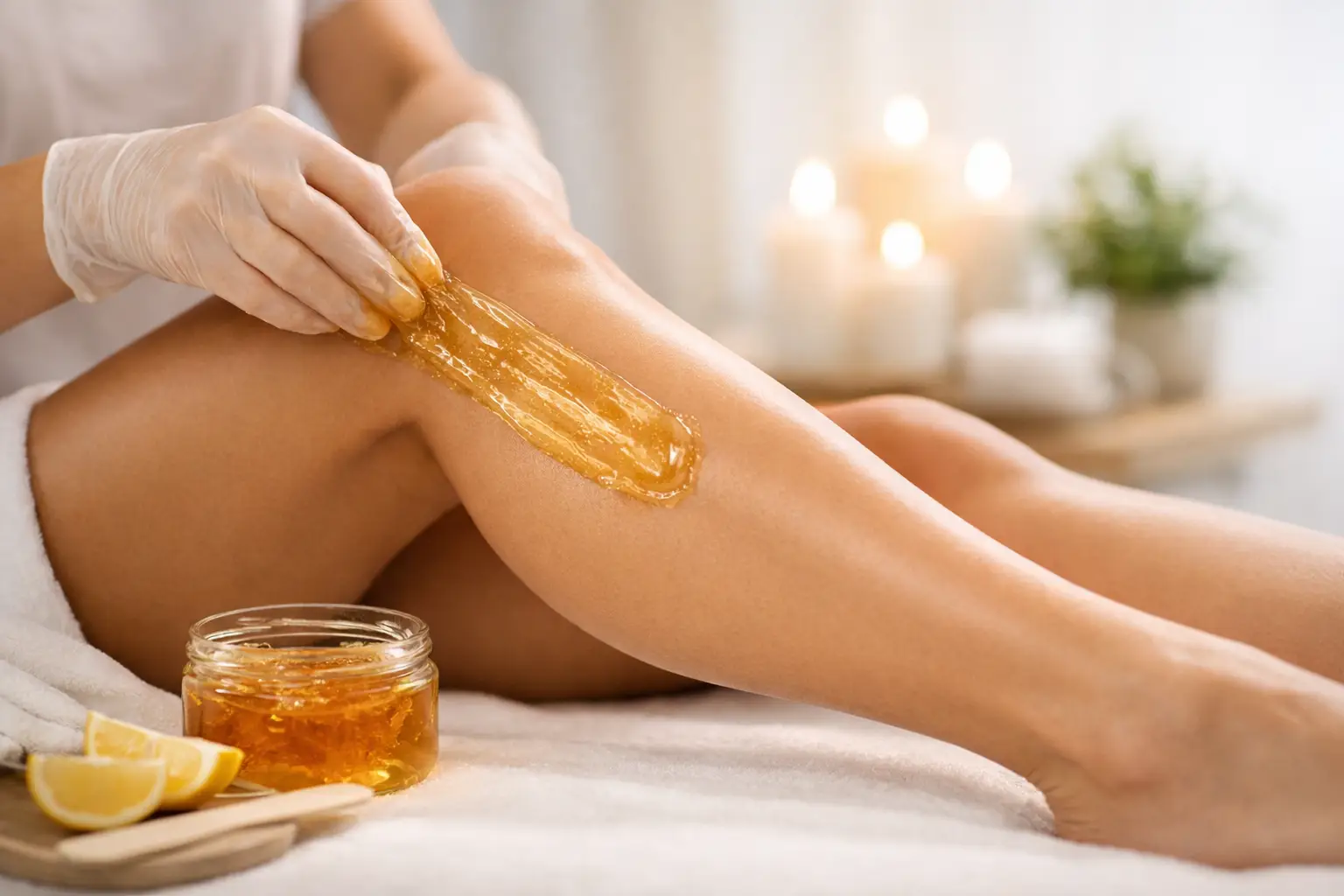
Sugaring uses a simple paste made from natural ingredients to remove hair from the root. The paste is worked into the hair and lifted away using a precise hand technique. Unlike methods that rely on strips or require very long regrowth, professional sugaring can often remove shorter hair, making it easier to maintain a regular schedule.
The result is not only about smooth skin. Removing hair from the root means the area stays smooth longer than it would after surface-level hair removal. As you return for appointments at a rhythm that works for your body, hair may feel softer and finer for many clients. Results vary, of course. Hair growth is influenced by genetics, hormones, medication, and the area being treated, so a practitioner should always set expectations based on your individual starting point.
Sugaring paste is also water-soluble. Any residue can be rinsed away with water, which makes the finishing process feel refreshingly simple. At The Sugar Shack, the paste is made in-house and is all-natural, biodegradable, and edible, though it is created for professional skin services, not snacking.
What a Professional Appointment Feels Like
Your appointment should begin with a conversation, not a rush. A thoughtful practitioner will ask about your skin, your previous hair-removal routine, relevant products or prescriptions, sensitivities, and the result you are hoping for. This is especially helpful for a first Brazilian, a full-body service, pregnancy, or skin that has become more delicate with age.
The service itself is methodical. Your practitioner works in small sections, checking in on comfort and adjusting their approach where needed. Some areas are naturally more sensitive than others, and it is honest to say that removing hair from the root can create a brief sensation. Yet technique, pacing, skin support, and an experienced hand make a meaningful difference.
Professional hygiene is part of that comfort. A high standard means clean preparation, fresh gloves when appropriate, sanitized surfaces, and a no-double-dipping practice. The portion of paste used on a client should never return to the main container. These details may not be the glamorous part of a service, but they are essential to a confident, skin-conscious experience.
Preparing for Sugaring Hair Removal
A little preparation helps your service go more smoothly. Hair needs enough length for the paste to grip, but it does not need to be excessively long. For most people, roughly one quarter inch is a helpful starting point, often around 10 to 14 days of growth after shaving. If you are unsure, it is always better to ask before your appointment than to guess.
In the day or two before your service, keep your skin calm. Gentle exfoliation can help loosen dry surface skin and free trapped hairs, but avoid aggressive scrubs, strong acids, or anything that leaves the area feeling tender. Arrive with clean skin and skip heavy oils, lotions, or deodorant on the area being treated when possible. These can make it harder for the paste to get a secure hold.
Try to choose a time when you are well hydrated and not overly rushed. For some clients, sensitivity is higher around their menstrual cycle. That does not mean you cannot book during that time, only that you may want to plan for a little more tenderness. Pregnancy can bring similar changes in sensitivity, which is why clear communication and an accommodating position are so valuable.
Caring for Skin After Your Appointment
Freshly sugared skin benefits from a quiet day. It is normal to see temporary pinkness, particularly in sensitive areas or at a first appointment. Wear breathable clothing, avoid friction, and give your skin a break from heat, intense workouts, pools, and saunas for about 24 hours. The goal is simple: do not add sweat, bacteria, or irritation to skin that has just been exfoliated.
After the initial recovery period, gentle exfoliation and hydration are your best maintenance partners. Regular, light exfoliation can help reduce the chance of ingrown hairs by keeping dead skin cells from blocking new growth. Avoid picking at bumps or trying to dig out a hair. If you notice persistent irritation, pain, or an unusual reaction, pause your routine and seek advice from an appropriate health professional.
It is also wise to be mindful of active skincare ingredients. Prescription retinoids, strong exfoliants, and certain acne treatments can make skin more vulnerable. Share what you use with your practitioner ahead of time so they can decide whether the area is suitable for service or whether waiting is the kinder choice for your skin.
Results Improve With a Consistent Rhythm
One appointment can provide an immediately smooth result, but consistency is where many people notice the greatest change in their routine. Hair grows in cycles, meaning not every strand is visible at the same time. Booking regularly allows your practitioner to catch more hair in a similar stage of growth over time.
For many areas, appointments every three to five weeks are a useful guideline. Your ideal timing may be shorter for facial areas and longer for legs or other areas with slower growth. A professional can help you find a schedule based on how quickly your hair returns, your comfort level, and the finish you prefer.
Resist the urge to shave between appointments if your goal is to build a consistent sugaring pattern. Letting hair grow back to a workable length gives your next service the best chance of removing it cleanly from the root. If you need to change your schedule for travel, an event, or a life change, that is completely normal. Your routine should support your life, not control it.
Why Technique Matters So Much
Sugaring is often described as natural, but natural ingredients alone do not create an excellent service. Temperature control, paste consistency, hand placement, skin tension, sanitation, client communication, and aftercare knowledge all affect the experience and result. This is why professional education matters for anyone offering sugaring services.
A well-trained practitioner knows how to adapt to different body areas, hair textures, skin concerns, and client comfort needs without compromising cleanliness or care. They also know when not to proceed. Skin that is actively irritated, sunburned, broken, or compromised may need time to recover before any hair-removal service is appropriate.
For aspiring practitioners, learning the movement is only one part of becoming confident. Strong training also teaches consultation skills, client positioning, product knowledge, sanitation standards, troubleshooting, and the calm communication that helps a client feel cared for. That combination turns a technical service into a trusted one.
Is Sugaring Right for You?
Sugaring can be a beautiful fit for people seeking smoothness, a simple ingredient profile, and a more intentional body-care routine. It is suitable for many areas of the body and can be especially appealing to clients who value an inclusive, judgment-free experience. Still, the best approach depends on your skin, health history, current products, and personal goals.
Start with an honest consultation, wear what makes you comfortable, and ask every question you have. Good care should leave you feeling informed as well as smooth. Your skin deserves patience, skilled hands, and a routine that makes confidence feel like your own.