
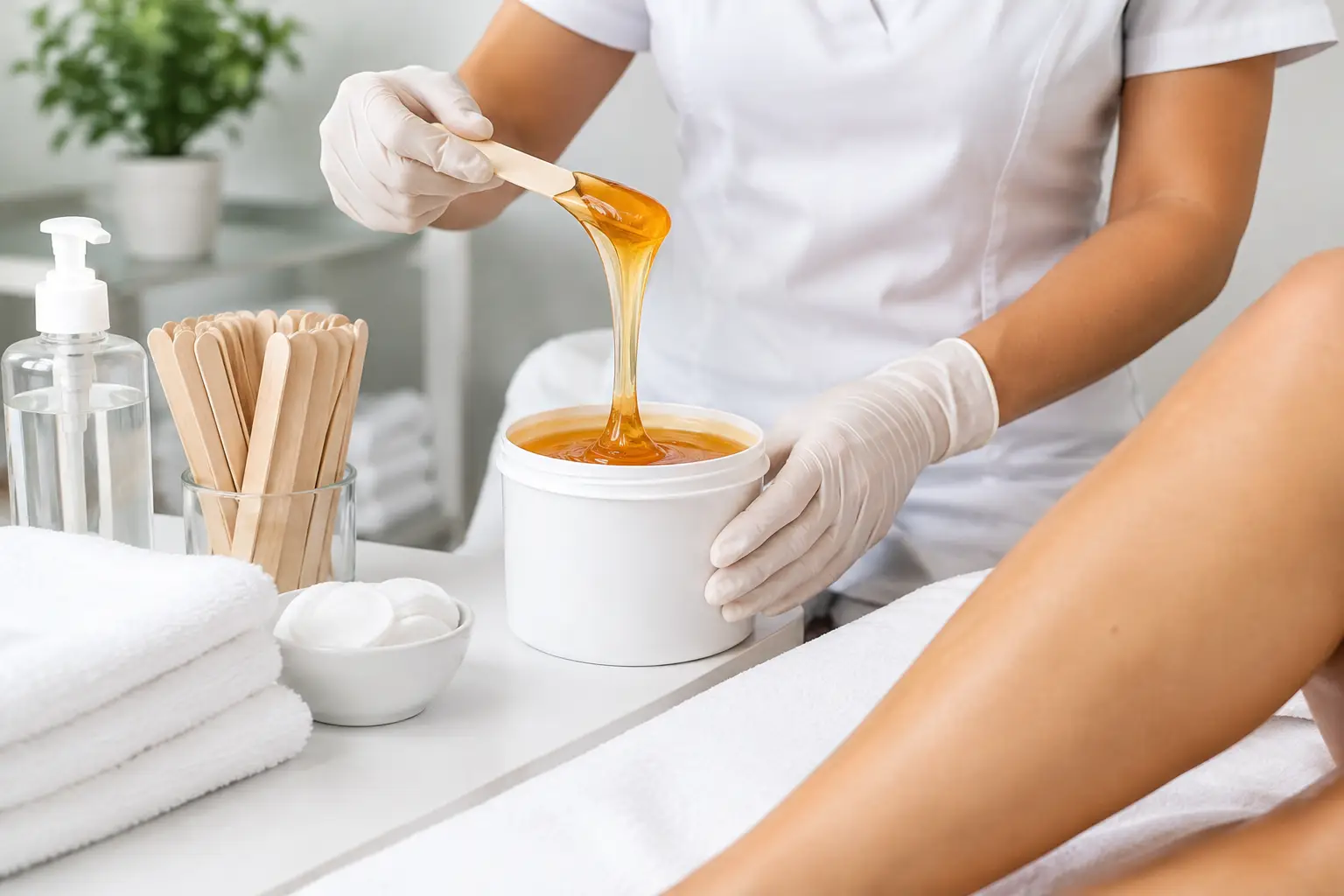
A beautiful sugaring appointment begins long before the first application of sugar paste. For clients, cleanliness creates the peace of mind needed to relax. For practitioners, a reliable sugaring hygiene checklist protects clients, supports professional confidence, and turns thoughtful care into a consistent part of every service.
Sugaring is a close-contact service, often performed on sensitive and intimate areas. That means hygiene cannot be treated as a quick reset between appointments. It is a complete practice: preparing the treatment space, assessing the client, using clean technique throughout the service, and finishing with clear aftercare. The goal is not to make an appointment feel clinical. It is to make it feel calm, polished, and genuinely cared for.
Why hygiene is part of the sugaring experience
Clients may not know every sanitation step happening behind the scenes, but they absolutely notice the result. A fresh treatment bed, orderly tools, clean hands, and a practitioner who explains what they are doing all send the same message: you are safe here.
For newer practitioners, hygiene can feel like a long list to memorize. With repetition, it becomes part of your service rhythm. A strong routine also reduces avoidable interruptions. When your supplies are prepared, your surfaces are disinfected, and your client intake is complete, you can give more attention to technique, comfort, and communication.
Requirements can vary by region and local health authority, so professional training and local regulations should always guide your exact protocols. The principles below provide a practical standard for creating a clean, client-centered sugaring service.
Sugaring hygiene checklist before the appointment
Preparation starts with the treatment room. Begin each appointment with a clean, uncluttered space. Disinfect all high-touch and treatment-area surfaces according to the product directions, including the treatment bed, tray, lamp handles, stools, counters, and door handles where appropriate. Disinfection only works when the surface has been properly cleaned first and the product remains wet for its required contact time.
Use fresh bed covering for every client. If you use a reusable blanket or towel for warmth and comfort, it should be laundered between guests. Keep clean linens separate from used linens, ideally in a closed container or designated hamper. A treatment room should never leave a client wondering whether an item has been used before.
Set out only the supplies you expect to use for that service. This might include clean gloves, disposable applicators, tissues, pre- and post-care products, and a clean set of tweezers if needed. Keeping extra stock stored away from the treatment surface makes cleanup more efficient and lowers the chance that unused products are touched with contaminated gloves.
Your personal presentation matters too. Arrive with clean hands, short clean nails, and hair secured away from the service area. Avoid wearing jewelry that may interfere with hand hygiene or catch on gloves. Handwashing should happen before setting up, before greeting the client, after removing gloves, and whenever hands may have become contaminated.
Prepare the sugar paste with intention
The sugar paste itself deserves careful handling. Follow the product and manufacturer guidance for storage and temperature. A paste that is overheated can compromise client comfort, while a paste stored improperly can create unnecessary quality concerns.
Use a technique that prevents cross-contamination. Once an applicator has touched the client, it should not return to the main container of paste. This is a non-negotiable professional habit. Your system may involve portioning paste into a separate working container, using a fresh applicator for each contact, or following another approved method taught in your training. What matters is that the product in the main container stays protected.
Start with a thoughtful client consultation
A clean service includes informed consent. Before beginning, review the client intake and ask whether anything has changed since their last visit. Skin sensitivity, recent exfoliation, current medications, active irritation, open skin, or illness can affect whether a service should proceed or whether an area should be avoided.
This conversation should be discreet, matter-of-fact, and free of judgment. Clients are more likely to share useful information when they feel respected. For intimate services especially, explain how you will maintain privacy, when you will step out for undressing, and how you will guide positioning during the appointment.
Before sugaring, cleanse the skin with an appropriate professional pre-care product and allow it to dry fully. Assess the area as you work. If you see broken skin, a rash, signs of infection, or any condition outside your scope, pause. Rescheduling or referring a client when appropriate is not a failure of service. It is a sign of sound professional judgment.
Clean technique throughout the service
Gloves are an essential barrier, but they are not a substitute for careful habits. Put on fresh gloves immediately before beginning the service. Change them if you touch your face, hair, phone, door handle, trash lid, or any surface that is not part of the clean treatment setup. Change gloves between body areas when your protocol requires it and any time contamination is possible.
Keep your working tray organized. Used applicators, tissues, and other disposables should go directly into an appropriate lined waste container rather than back onto the tray. Clean tools should remain visibly separate from used items. This simple visual organization helps prevent mistakes when the appointment gets busy.
If tweezers are used for a few remaining hairs, they must be properly cleaned and disinfected between clients according to professional standards. Do not set them down on the treatment bed or reuse them without processing. The same standard applies to any reusable tool that comes into contact with skin.
Communication also supports hygiene. If you need to reach for something outside your clean setup, tell the client you are changing gloves or refreshing your station. It takes only a moment, and it reassures the client that cleanliness is an active priority rather than an assumption.
Comfort and cleanliness work together
A hygienic appointment should never feel rushed or impersonal. Offer a drape or towel where appropriate, check in about temperature and comfort, and explain what is happening before changing positions. Clients who feel relaxed are better able to communicate if something feels uncomfortable.
For practitioners, this is where technique and sanitation meet. A clean, prepared service allows you to focus on skin tension, paste consistency, and a gentle pace instead of scrambling for supplies. The experience feels more luxurious because the professional work behind it is so well organized.
Finish the service with care
Once the service is complete, remove any remaining residue with an appropriate product and apply post-care suited to the skin and area treated. Avoid promising that every client will respond the same way. Some temporary redness or sensitivity can happen, particularly for first-time guests or those with reactive skin.
Give aftercare in clear, simple language. Clients generally benefit from keeping the area clean, avoiding friction and excessive heat for the period recommended by their practitioner, wearing breathable clothing when possible, and waiting until the skin has settled before exfoliating. Tailor this guidance to the service area and the client’s skin needs rather than delivering a generic script.
Before the next guest arrives, remove all used disposables, bag waste appropriately, separate linens for laundering, and disinfect the treatment space again. Wash hands after removing gloves, then restock only after the area is clean. This reset is the bridge between one client’s experience and the next.
Common hygiene shortcuts to avoid
The most serious hygiene problems often come from small shortcuts repeated over time. Avoid returning a used applicator to your main product container, using the same gloves after touching non-service surfaces, or leaving used tools mixed with clean supplies. Do not rely on a quick wipe when a surface needs full cleaning and disinfection.
It is also wise to avoid overloading your station. More products and tools do not make a service more professional if they create clutter and increase the chance of cross-contact. A well-designed setup contains what you need, keeps clean and used items separate, and can be reset with confidence.
A standard clients can feel
At The Sugar Shack, professional sugaring is rooted in both comfort and skill. Hygiene is one of the clearest ways a practitioner shows respect for every body in their care, from a first-time client to a regular guest who trusts you with their routine.
The best checklist is the one you can perform consistently, even on a fully booked day. Build your routine slowly, follow it without shortcuts, and let each clean, thoughtful detail reassure clients that they are in capable hands.