
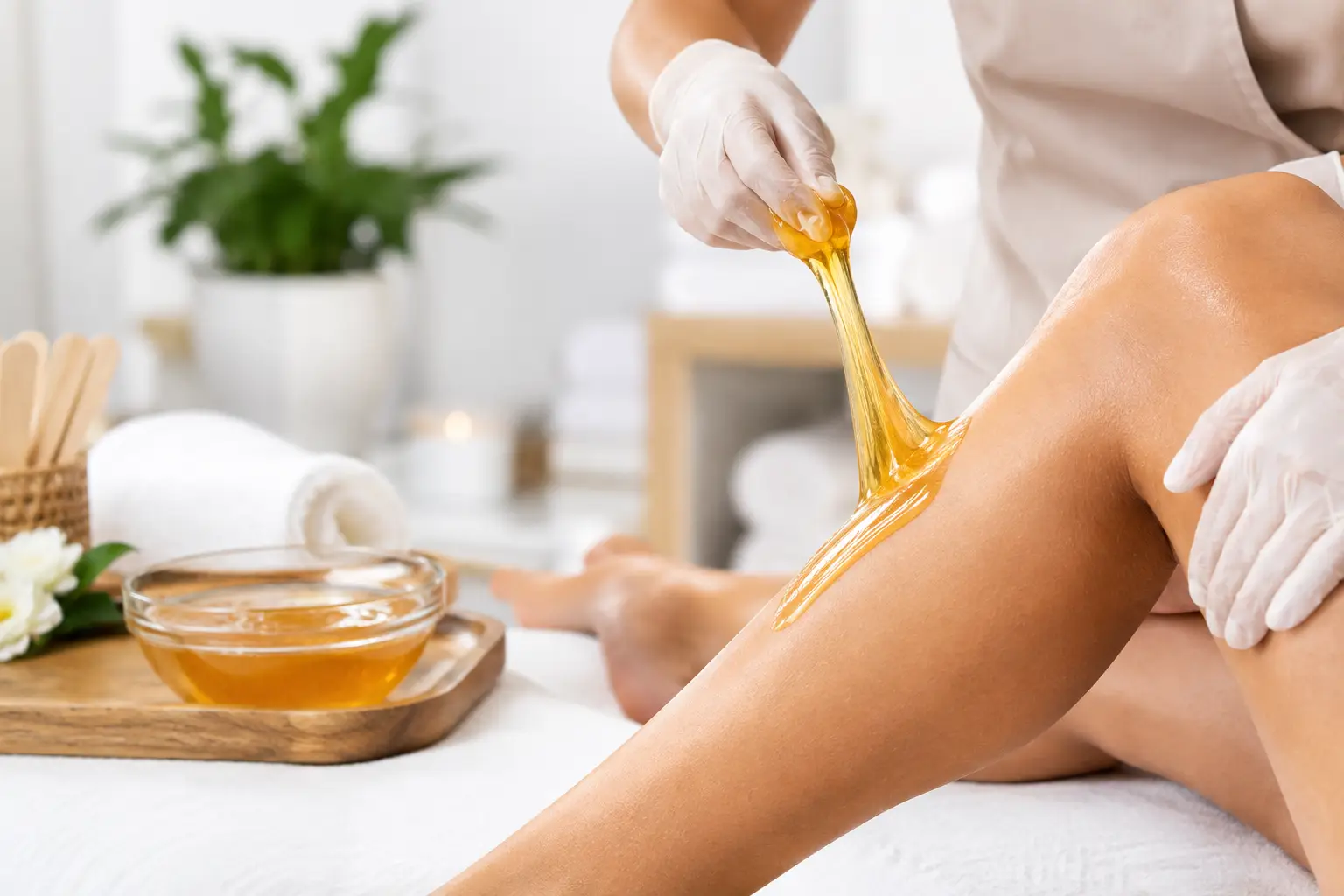
A well-built sugaring service menu does more than show prices. It gives a first-time guest the confidence to book, helps regulars maintain a routine, and gives practitioners a clear framework for delivering consistent, elevated care. The best menus make intimate and full-body services feel approachable, never confusing or clinical.
For a studio owner or newly trained practitioner, the goal is not to offer every possible option on day one. It is to create a thoughtful set of services that reflects your skill level, protects appointment quality, and meets the real needs of the people you serve.
Start With the Client Experience
Clients rarely arrive thinking in technical service categories. They are thinking about comfort, timing, skin sensitivity, hair growth, and whether they will feel welcome. Your menu should answer those questions before they need to ask.
Use simple, familiar names for service areas, then add a short description where clarity matters. A guest should be able to tell the difference between a bikini line appointment, a Brazilian appointment, and a full-body booking without having to guess what is included. Clear wording prevents awkward conversations at check-in and gives your practitioner enough time to provide unhurried care.
This matters especially for intimate services. A warm, direct description can set expectations while reinforcing that every body is welcome. Avoid language that treats hair removal as an obligation. Sugaring can be part of a person’s self-care routine, preparation for a trip or special event, or simply a way to enjoy smooth, comfortable skin. Their reason is personal, and the menu should leave room for that.
Organize Your Sugaring Service Menu by Area
Most clients find it easiest to browse by body area. This approach also helps practitioners create logical booking times, from quick facial appointments to longer full-body sessions.
Face and small areas
This section may include brows, upper lip, chin, sideburns, cheeks, ears, nostrils, or a full-face option. Small-area services can be ideal for clients who want to try sugaring for the first time, but they still require precision and a careful consultation. Brow services, in particular, need enough time for shape discussion rather than a rushed appointment.
A full-face service should clearly explain whether brows are included. If they are not, say so plainly. Small details like this build trust because guests know exactly what they are reserving.
Underarms, arms, and legs
Underarms, half arms, full arms, lower legs, upper legs, and full legs are natural menu categories. Define the boundaries of each service in your internal service standards, even if your client-facing menu keeps the wording simple. For example, decide whether a half-leg service begins above or below the knee, and ensure every practitioner follows the same guideline.
Leg services can vary widely in time depending on hair density, maintenance schedule, and whether the client needs extra support around sensitive or hard-to-reach areas. Build enough flexibility into your appointment times to protect the experience. A polished service is worth more than trying to squeeze an additional booking into the day.
Bikini and intimate services
For many studios, bikini and Brazilian services are core offerings. They deserve clear names, calm descriptions, and appointment times that honor both sanitation and client comfort. Explain the general coverage of each option without using overly complicated terminology.
A bikini line service usually addresses hair outside a standard swimsuit line. An extended bikini may remove more from the sides and top. A Brazilian service typically removes hair from the front, between the cheeks, and the back, while allowing the client to choose whether to leave a shape or go fully bare. Your exact definitions should be consistent across your booking platform, consultation process, and practitioner education.
New guests may need a longer appointment than regular maintenance clients. That is not a failure of efficiency. It is good service design. A first visit includes time for consent-based consultation, aftercare guidance, questions, and a pace that helps the guest feel settled.
Full-body and custom appointments
Full-body options can be valuable for guests who prefer to take care of several areas in one visit. They also require strong scheduling boundaries. Rather than promising an undefined full-body service, name what is included or offer curated combinations such as legs, underarms, and Brazilian.
Custom appointments are useful when a client needs several small areas or has a unique maintenance routine. Consider requiring a consultation or booking request for these services until you understand how long they take in your hands. This protects your schedule and helps you price the work fairly.
Price for Time, Skill, and Care
A service price should reflect more than the amount of product used. Professional sugaring involves specialized technique, sanitation practices, thoughtful consultation, preparation, cleanup, and aftercare education. It also reflects the experience you have built through training and repetition.
Pricing low to fill a schedule can feel tempting when you are new. Yet a price that does not support proper appointment time can eventually lead to rushed work, practitioner fatigue, and inconsistent results. A sustainable menu gives you room to provide attentive care, maintain high-quality supplies, and continue developing your skills.
Start by calculating how long each service genuinely takes you from greeting to reset. Include the time required to sanitize the space, change linens where appropriate, complete notes, and prepare for the next guest. Then review your local market, operating costs, and experience level. Prices may need to evolve as your speed, confidence, and demand grow.
Packages can be helpful when they simplify a client’s routine, but they should not make the menu hard to understand. A small, intentional group of combinations is usually stronger than a long page of discounts. Clients value convenience, but they also value transparency.
Make Booking Details Easy to Find
A menu becomes more useful when it includes the practical information guests need before their appointment. This can appear beneath the menu, in booking confirmations, or within a consultation message. Keep the language reassuring and specific.
Let clients know how much hair growth is generally needed for effective sugaring, what to wear for their comfort, and what may affect skin sensitivity before a visit. Encourage guests to share relevant skin concerns, medications, recent treatments, or pregnancy during their consultation so you can provide the safest, most appropriate service.
Aftercare deserves the same attention. Guests should leave knowing how to support their skin, when to avoid heat and friction, and how to prepare for their next appointment. When a client understands the rhythm of regular maintenance, they are more likely to see the smooth, comfortable results they came for.
Build Standards Behind Every Menu Item
A beautiful menu only works if the service behind it is consistent. Each offering needs a written standard for appointment length, area boundaries, consultation points, sanitation steps, contraindications, aftercare, and when a practitioner should pause or refer the client elsewhere.
This is where professional education becomes essential. Sugaring is a hands-on skill, and confident service comes from understanding paste control, hair growth patterns, skin response, positioning, client communication, and hygienic technique. A practitioner who has practiced these fundamentals can adapt thoughtfully when a client has sensitive skin, feels nervous, or has hair growth that does not follow a textbook pattern.
At The Sugar Shack, this level of care is part of what turns an appointment into a premium experience. The same standards that support a welcoming studio can help trained practitioners build services their own clients return to again and again.
Review the Menu as Your Practice Grows
Your first menu is not permanent. Track which services are most requested, which appointments routinely run long, and where guests ask the same questions. Those patterns tell you what needs clearer wording, more time, or a better category.
You may find that a popular combination deserves its own booking option, while a rarely booked service is better handled as a custom request. You may also discover that your client base needs more first-time appointment guidance or more flexible options for mature skin, pregnancy, or sensitive areas.
A strong menu is a promise: this is what you can expect, this is how you will be cared for, and this is the standard behind every service. When that promise feels clear and compassionate, clients can book with confidence and practitioners can do their best work.