
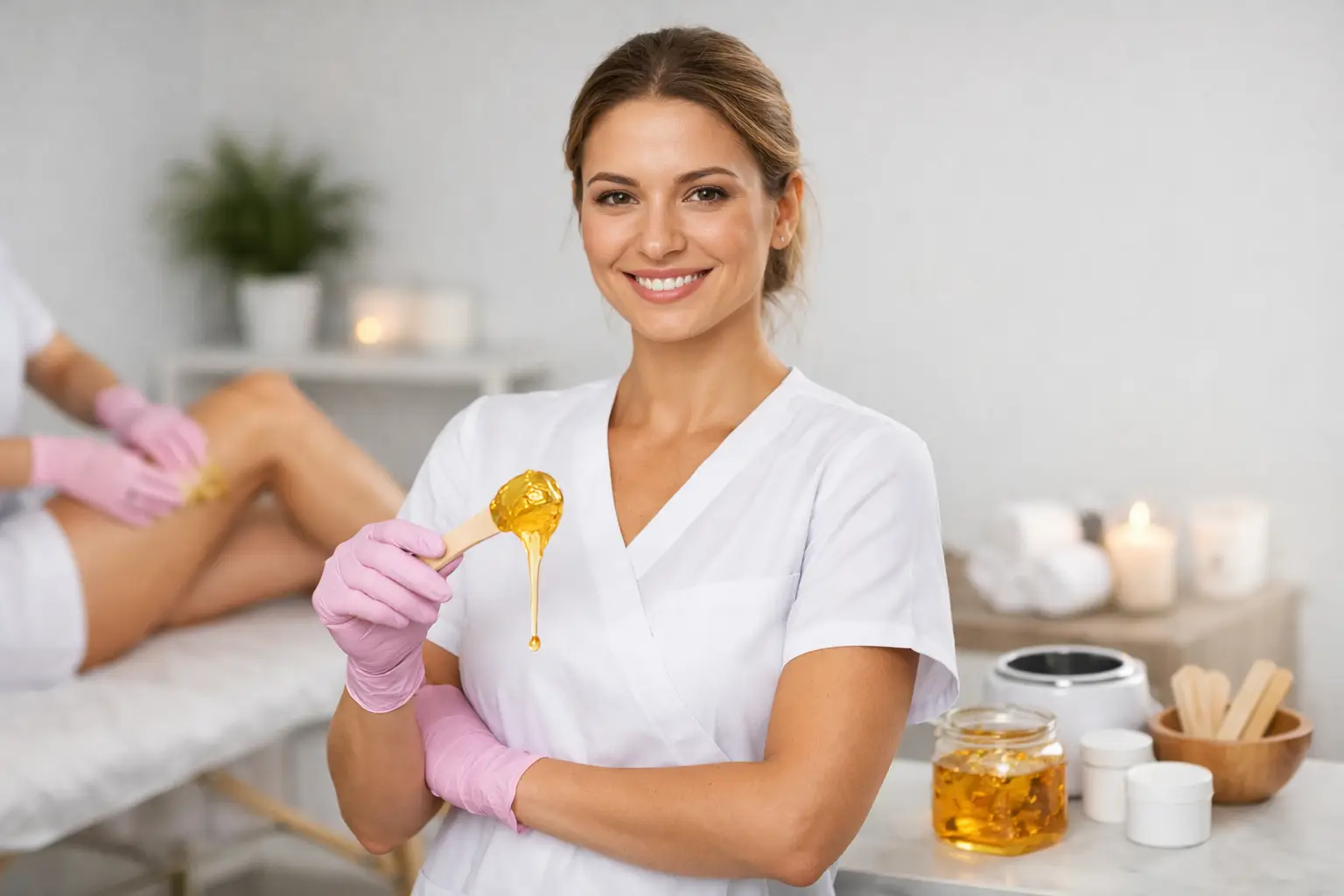
A beautiful treatment room and a jar of sugar paste are not, by themselves, a business. The people who build lasting client relationships are the ones who pair smooth results with thoughtful consultation, impeccable hygiene, and a service that makes every guest feel at ease. If you are wondering how to start a sugaring business, begin with the standards behind the service, not just the service itself.
Sugaring can become a flexible side business, an addition to an existing esthetics menu, or a full career path. The right path depends on your local requirements, available time, financial goals, and willingness to practice before taking paying clients. A careful start protects your reputation and gives clients a reason to return.
How to Start a Sugaring Business: Build Your Foundation First
Before you order supplies or post an opening date, find out what is required where you plan to work. Regulations can vary by state, county, city, and professional licensing board. Your area may have rules around esthetics credentials, sanitation training, business registration, insurance, home-based services, and facility inspections.
Treat this research as part of your professional education, not an administrative hurdle. A compliant business gives clients confidence, particularly when they are booking intimate or full-body services. Keep records of your licensing, insurance, consent forms, cleaning procedures, and product information in one organized place.
Then decide what kind of business you are creating. Renting a room inside an established salon can lower startup costs and put you near an existing beauty-focused audience. A home studio may offer more flexibility, if local regulations permit it and the setting provides privacy, proper handwashing, cleanable surfaces, and a calm guest experience. A mobile model can sound convenient, but transporting equipment and maintaining a consistent sanitation setup requires extra planning.
Learn the Technique Before You Sell the Service
Professional sugaring is a skill built through repetition. Sugar paste has a distinct consistency and movement, and effective application requires control of pressure, direction, pace, and skin support. Learning to work efficiently while keeping a guest comfortable takes guided practice.
Choose training that teaches more than a basic demonstration. A strong program should cover body positioning, paste management, short-hair removal, contraindications, sanitation, consultation, aftercare, service timing, and how to respond when a treatment does not go exactly as planned. Look for instruction that helps you understand why a technique works, because that knowledge is what allows you to adapt to different hair patterns, skin needs, and client comfort levels.
Practice on a range of willing models before building a full client schedule. Document your timing, the areas you find challenging, and the questions guests ask most often. Feedback from models is useful, but be honest with yourself too. If your application is inconsistent or appointments routinely run long, give yourself more practice time. Your early reputation is worth protecting.
The Sugar Shack approaches practitioner education as an extension of client care: confident hands, clear knowledge, and respectful service all belong together.
Create a Treatment Space That Feels Clean and Considered
Clients notice the details before the appointment begins. A treatment space should feel private, bright, and intentionally maintained, without being overly clinical. Your setup needs practical essentials such as a sturdy treatment table, fresh linens, covered waste disposal, gloves, handwashing access, clean storage, and surfaces that can be thoroughly disinfected between guests.
Your sanitation process must be consistent, not dependent on how busy your day becomes. Establish a routine for preparing the room, handling supplies, cleaning tools, laundering linens, and resetting after every service. Use professional products and follow their directions carefully. Never cut corners with the paste or any item that touches the client.
Comfort matters just as much. Consider room temperature, draping, music, lighting, and the way clients enter and leave the space. An intimate appointment can feel vulnerable for a first-time guest. A quiet, prepared room tells them they are in capable hands.
Define Your Menu and Price for the Experience
Start with a focused service menu rather than trying to offer every possible area on day one. Choose services you have practiced thoroughly and can perform within a reliable timeframe. Many new practitioners begin with a few foundational body services and expand as their technical confidence grows.
Pricing should account for more than the minutes a guest spends on the table. Include your supplies, room rent, insurance, card processing fees, laundry, taxes, booking software, training investment, and the time required to clean, prepare, and communicate with clients. If you set prices too low to fill appointments quickly, it can become difficult to raise them later or earn a sustainable income.
Research nearby providers to understand the market, then price according to your skill level, environment, and service standards. A premium rate needs a premium experience, but premium does not mean distant. It means clients receive skilled care, clear communication, and a service that feels worth returning to.
Put Consultation and Aftercare at the Center
A good appointment begins before any product is applied. Your consultation should invite clients to share relevant skin sensitivities, medications, recent treatments, pregnancy considerations, and goals without embarrassment. Explain what the appointment involves, what sensations they may experience, and what you need from them for a smooth service.
Use inclusive language and avoid assumptions about a person’s body, identity, relationship status, or reason for booking. Clients are often seeking a moment of self-care, comfort, or confidence. They do not need to justify that choice.
Aftercare is where professional guidance becomes especially valuable. Give clients simple, realistic instructions tailored to the service area and their skin. Explain what is normal, when to avoid friction or heat, and how to prepare for their next visit. Written aftercare notes are helpful, but a warm verbal explanation ensures the client can ask questions before leaving.
Build a Brand Clients Can Recognize
Your brand is not only your logo or room decor. It is the feeling people associate with booking you. Decide what you want to be known for: gentle first-time care, detailed brow work, elevated Brazilian services, sensitive-skin awareness, or a reliably welcoming experience for every body.
Use clear photos, accurate service descriptions, and a booking process that answers practical questions upfront. State how clients should prepare, how long appointments take, and what your cancellation policy is. Clear information reduces nervousness and prevents avoidable scheduling issues.
When requesting reviews, invite honest feedback rather than pressuring clients for perfect praise. The most useful reviews often mention how safe, informed, and comfortable a guest felt. Those details speak directly to the concerns of someone booking for the first time.
Plan for Income Beyond the Appointment
A sugaring business becomes more stable when you understand repeat booking patterns and avoid relying solely on new clients. Encourage guests to rebook based on their individual growth cycle and preferences, not a one-size-fits-all script. Consistency can help clients maintain the results they enjoy while making your schedule easier to forecast.
Professional retail can also support client care when it is purposeful. Stock only products you genuinely understand and can recommend responsibly, such as gentle skin-supporting options that fit your aftercare approach. Your goal is not to turn every appointment into a sales pitch. It is to help clients continue caring for their skin between visits.
Track a few useful numbers each month: appointments completed, rebooking rate, average service value, product costs, no-shows, and expenses. These figures reveal whether you need more marketing, a better cancellation policy, additional training, or a price adjustment. Instinct is valuable, but a business grows more confidently when the numbers are visible.
Give Yourself Room to Grow Well
Starting small is not the same as thinking small. You may begin with one treatment room, a limited schedule, and a handful of model appointments. What matters is that each step reflects the level of care you want clients to experience as your business grows.
Keep refining your technique, refresh your sanitation knowledge, listen closely to client feedback, and protect time for rest. The most trusted sugaring practitioners are not simply busy. They are prepared, present, and proud of the standard they bring to every appointment. Build that standard first, and your business will have something meaningful to grow from.