
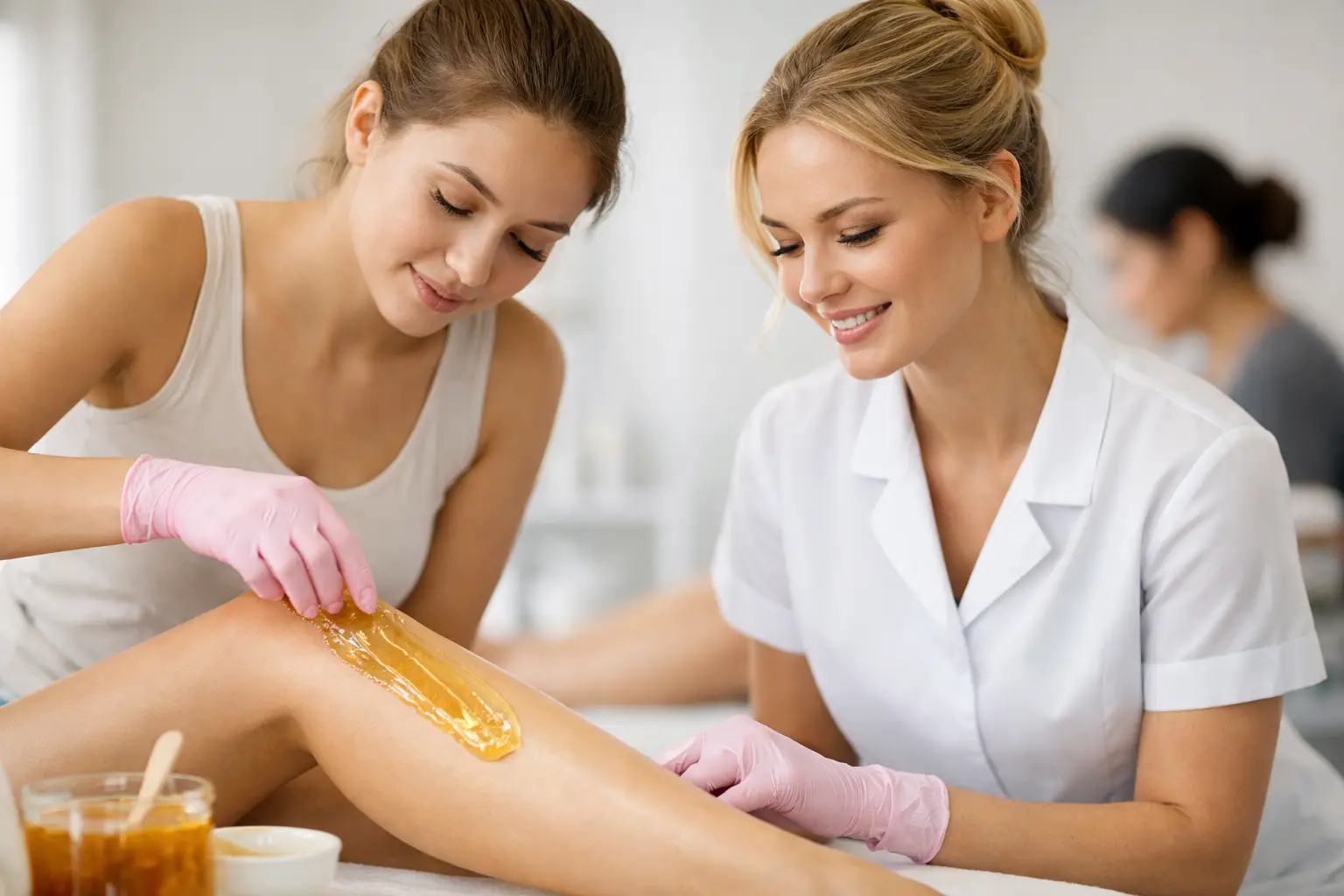
A beautiful first service is not the whole story of sugaring student success. The real milestone is being able to welcome a new client, assess their skin and hair thoughtfully, maintain exceptional sanitation, adapt your technique, and help that person feel comfortable in your care. That combination turns a new skill into a trusted professional service.
Sugaring can be a meaningful path for esthetics students, working beauty professionals, and people building a flexible new career. It is hands-on work with room for independence, connection, and continued growth. But like any specialized service, confidence does not arrive simply because a course is complete. It is built through informed practice, consistent standards, and a genuine commitment to the client experience.
What Sugaring Student Success Really Looks Like
Success looks different depending on where you are starting. For an established esthetician, it may mean adding a sought-after, skin-conscious service to an existing menu. For a side hustler, it may mean creating a reliable source of income around a schedule that supports family life or another job. For someone returning to work or changing direction, success may begin with the pride of learning a practical skill and seeing steady improvement with every service.
In every case, the strongest practitioners share the same foundation: they respect the craft. They understand that professional sugaring is more than applying and removing sugar paste. It requires control, observation, communication, sanitation, and patience.
A student who learns to slow down and work with intention often progresses further than someone focused only on speed. Efficient appointments matter, especially as your books become fuller, but speed without precision can compromise client comfort and results. The goal is not to rush. It is to become calm, capable, and consistent.
Technique builds trust
Sugaring technique is tactile. You learn to read the paste, the direction of hair growth, the condition of the skin, and the amount of pressure needed in the moment. Temperature, humidity, hair density, and the area being treated can all affect how the service feels and performs.
That is why demonstration alone is not enough. Students need guided repetition. Practicing proper hand positioning, molding, flicking, and skin support helps these movements become more natural over time. Early services may take longer, and that is completely normal. Give yourself room to develop accuracy before expecting speed.
It also helps to approach every practice session with one clear focus. Perhaps today you are improving skin tension. Next time, you may concentrate on maintaining a clean working area or selecting the right amount of paste. Small, specific goals make progress easier to see and prevent overwhelm.
Learn the Why Behind Every Step
Memorizing a service sequence can get you started. Understanding why each step exists is what prepares you to work professionally when circumstances change.
A thorough education should explain skin preparation, hair growth patterns, product handling, contraindications, aftercare, and consultation language. It should teach you how to recognize when a service needs to be adjusted or postponed. That knowledge protects your client, supports better outcomes, and makes your recommendations feel thoughtful rather than scripted.
Sanitation deserves the same attention as technique. Clients may not always see every decision you make behind the treatment table, but they feel the difference when a practitioner works with clear, confident hygiene practices. Professional standards are not an extra feature. They are part of the service itself.
For students, this means developing clean habits from day one. Organize your station before the appointment begins. Know what you will use, where it belongs, and how you will maintain a tidy workspace throughout the service. Follow proper product handling procedures consistently, not only when someone is watching. The habits you repeat during training become the habits clients depend on later.
Consultations are a professional skill
The consultation is where technical knowledge becomes personal care. A client may arrive feeling nervous, especially if they are booking an intimate or full-body service for the first time. Your ability to listen, explain the process clearly, and set realistic expectations can change their entire experience.
Ask thoughtful questions about skin sensitivity, current routines, recent treatments, medications, and their goals. Use welcoming, straightforward language. Never make assumptions about a client’s body, identity, pain tolerance, or reason for booking. A warm, inclusive approach allows people to feel respected and informed.
Honesty also builds loyalty. If a client needs to wait before receiving a service, explain why with care. If their hair length or skin condition may affect the result, tell them before you begin. Clients appreciate practitioners who prioritize their well-being over completing an appointment at any cost.
Practice With a Plan, Not Just More Hours
Practice is essential, but unstructured practice can reinforce the same challenges. A better approach is to create a simple feedback loop after every model or client service. Take a few minutes to reflect: What went smoothly? Where did you lose time? When did the client seem most comfortable? What would you change next time?
Keep notes that are practical and specific. You might record the body area you practiced, the paste consistency, hair type, techniques that felt successful, and questions to bring to your educator. Over a few weeks, these observations become a valuable record of your growth.
Feedback can feel vulnerable, particularly when you care deeply about doing well. Try to see it as professional support rather than criticism. An experienced educator can spot small adjustments in posture, pace, or paste handling that are difficult to notice on your own. Those details can make a significant difference in your comfort and your client’s experience.
Filming your hand movements during permitted practice sessions can also be useful. Review the footage with a training mentor if possible. You may notice where your hands hesitate, where you change your body position unnecessarily, or where your skin support could be firmer. Awareness is often the first step toward smoother technique.
Build Client Confidence Before You Build a Full Schedule
New practitioners sometimes feel pressure to fill their calendar immediately. Growth matters, but a lasting business is built on returning clients who feel well cared for. Focus first on creating services people want to book again.
That begins before the appointment. Clear booking information helps clients arrive prepared and reduces uncertainty. During the service, explain what they need to know without overtalking or making promises you cannot guarantee. Afterward, provide personalized aftercare guidance and let clients know what they can expect as their skin settles and their hair regrows.
Your professional presence matters as much as your technical ability. Arrive prepared, keep accurate notes, respect appointment times, and communicate promptly when needed. A polished experience can be simple, but it should feel intentional from start to finish.
As your confidence grows, resist the urge to copy every business model you see online. Your ideal service menu, hours, pricing, and setting should reflect your skill level, expenses, goals, and community. A practitioner working part-time from a private studio may need a different plan than someone joining a busy salon team. There is no single right pace for growth.
Keep learning after certification
Certification is a beginning, not a finish line. Skin care practices change, client needs vary, and your own technique will keep developing with experience. Continued education keeps your work fresh and helps you maintain the high standards that distinguish professional service from a quick transaction.
Seek learning that strengthens both your hands-on work and your business judgment. Advanced technique, consultation confidence, skin knowledge, service timing, and client retention are all worthwhile areas to develop. If you are building a business, learn the basics of policies, recordkeeping, scheduling, and setting boundaries too. Sustainable work requires more than talent.
The Sugar Shack’s training approach is rooted in this bigger picture: skilled technique paired with thoughtful sanitation, client care, and confidence. When students understand the standard behind the service, they are better prepared to create experiences that feel comfortable, refined, and personal.
Give Yourself Permission to Be a Beginner
Everyone remembers the first time they worked carefully through a service, checked every step twice, and wondered when their hands would feel fully natural. That stage is not evidence that you are behind. It is evidence that you are learning a craft that deserves attention.
Celebrate the meaningful wins: a cleaner setup, a calmer consultation, a client who says they felt at ease, or a technique that finally clicks. These moments create professional confidence one appointment at a time.
Keep practicing with care, ask questions without hesitation, and let your standards lead your pace. The practitioner you are becoming is shaped in those small, steady choices – and clients will feel the difference.