
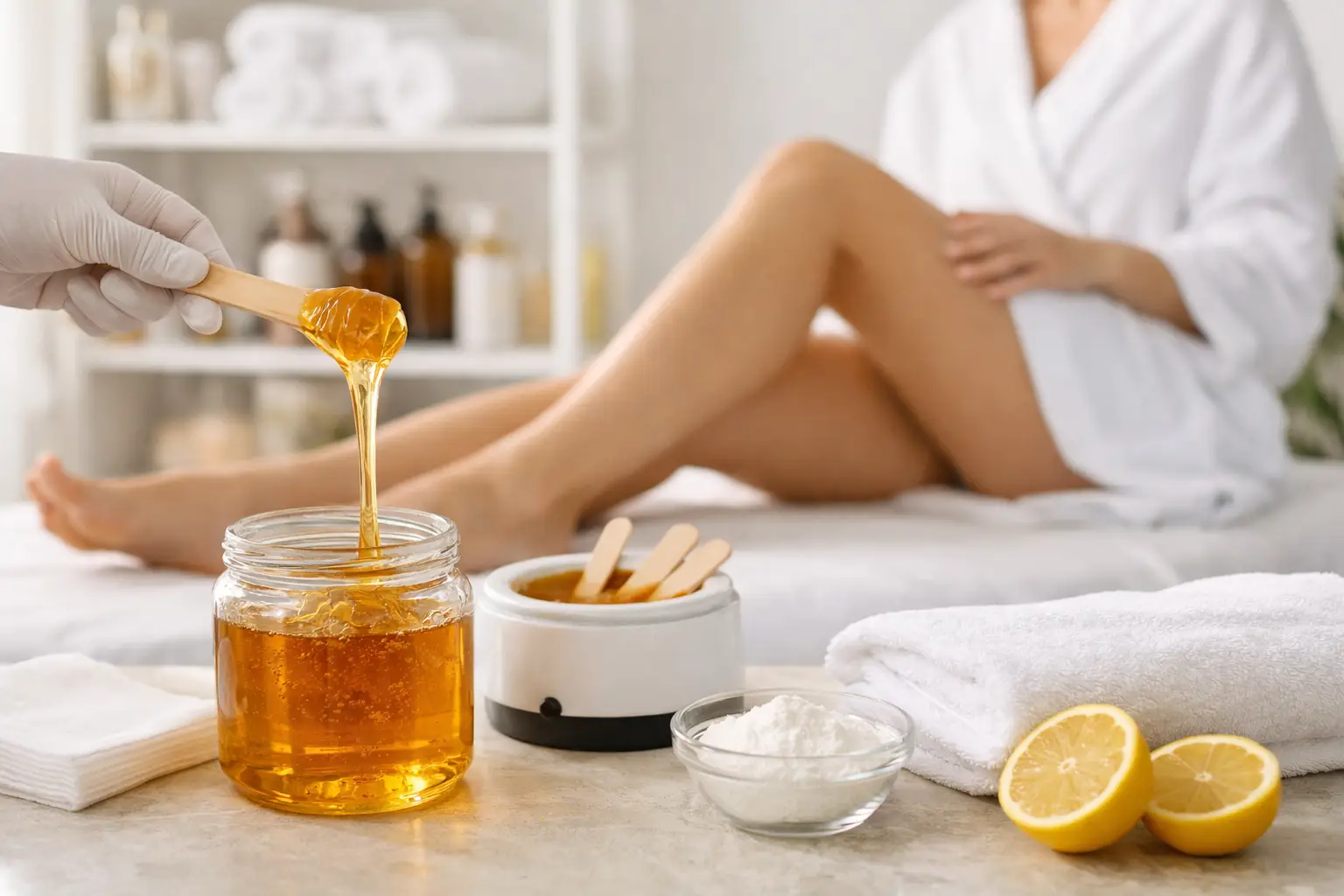
A beautiful treatment room and a social media page are not the foundation of a successful sugaring business. Your foundation is the ability to make every client feel safe, cared for, and confident in your hands. This guide to opening a sugaring studio begins there: with professional skill, thoughtful systems, and a service experience people want to return to.
Sugaring can become a flexible and meaningful career path, whether you are expanding an existing esthetics menu, building a side business, or creating a full-service studio. But the work is detailed. A polished practice requires more than knowing how to remove hair. It requires technique, sanitation, consultation skills, business awareness, and genuine respect for every body that comes through your door.
Start Your Sugaring Studio With Professional Training
Your first investment should be education. Professional sugaring is a hands-on service, and the quality of your technique shapes nearly every part of the client experience: comfort, efficiency, skin appearance, client retention, and your own confidence.
Look for training that teaches more than product application. A strong course should cover the consistency and handling of sugar paste, hair growth patterns, skin preparation, body positioning, contraindications, sanitation procedures, aftercare, and how to work thoughtfully across different body areas. You should also practice consultation language and learn how to set realistic expectations for first-time clients.
Hands-on feedback matters. Online learning can be an excellent way to study theory and refresh your knowledge, but your education should still prepare you for the practical rhythm of an appointment. You need to recognize when paste is too warm or too firm, when skin needs extra support, and when a client should wait before receiving a service.
If you are already an esthetician, sugaring training can be a focused way to add a premium service and new revenue stream. If you are entering beauty from another career, confirm what licensing, certification, and local health requirements apply before you commit to a business model. Requirements differ by state, province, and municipality, so treat this research as part of your startup plan, not an afterthought.
Choose a Studio Model That Fits Your Real Life
A sugaring studio does not need to begin as a large storefront. The right setup depends on your financial comfort, availability, local regulations, and long-term goals. Some practitioners begin by renting a treatment room inside an established salon. Others open a private suite, create an approved home-based workspace, or build toward a dedicated studio after developing a steady client base.
Renting within a shared beauty space can reduce your startup costs and provide community, referrals, and support. The trade-off is less control over your environment, hours, and brand experience. A private suite offers more privacy and a more personal feel, though you will take on more responsibility for furnishings, marketing, cleaning, and overhead.
Before signing an agreement, consider the full cost of operating the space. Rent is only one number. Account for utilities, insurance, licensing, booking software, payment processing, supplies, laundry, cleaning products, education, taxes, and time spent outside appointments. A smaller, well-run treatment room is often a healthier starting point than a beautiful space that creates financial pressure.
Build a Space That Feels Clean and Calm
Clients notice details quickly, especially when they are booking intimate services. Your space should feel warm and welcoming, but cleanliness must be unmistakable. Choose surfaces that can be properly cleaned and disinfected, keep fresh linens organized, and create a clear separation between clean tools, used items, and retail products.
A comfortable treatment table, supportive pillows, good lighting, a reliable temperature setup, and storage that keeps your room uncluttered are practical essentials. Add personality with a few intentional touches rather than filling every surface. The goal is a calm, professional room where clients can relax without questioning hygiene or privacy.
Put Sanitation at the Center of Your Practice
Sanitation is not a behind-the-scenes task. It is part of the service your client is trusting you to provide.
Create written procedures before your first appointment. Know exactly how you will prepare the room, clean and disinfect surfaces, manage linens, wash hands, use gloves when appropriate, and prevent cross-contamination while working with sugar paste. Follow the regulations set by your local health authority, and revisit your process regularly as your business grows.
Professional single-use practices and careful product handling protect both your clients and your reputation. Clients may not know every technical step, but they can feel the difference between a practitioner who moves with calm, consistent intention and one who appears uncertain or disorganized.
Your consultation process belongs here, too. Ask clear health-history questions, explain what the service involves, and give clients room to share concerns privately. Some people may be nervous, pregnant, managing sensitive skin, returning to hair removal after a long break, or simply unsure what to expect. A confident consultation helps clients make informed choices and helps you determine whether it is the right day to proceed.
Create a Service Menu You Can Deliver Well
It is tempting to offer every possible service immediately. A more sustainable approach is to begin with the services you have been thoroughly trained to perform and can complete at a high standard. As your speed, confidence, and client demand develop, you can expand your menu thoughtfully.
Set appointment lengths that protect the quality of your work. Rushing to fit more people into a day can lead to practitioner fatigue, inconsistent results, and a less relaxing experience for the client. Leave enough time for consultation, room reset, payment, retail recommendations, and the occasional appointment that needs extra care.
Your pricing should reflect your training, product costs, room expenses, time, and expertise. Avoid setting prices solely by looking at the lowest rates in your area. Clients who value a premium, skin-conscious experience are also paying for professional standards, privacy, education, and consistent care.
As you gain experience, track how long each service truly takes and how much product it uses. This information will tell you more about profitability than guesswork ever can. Review your pricing at regular intervals, especially when your costs, credentials, or demand change.
Build Client Care Into Every Appointment
Client loyalty is earned in the small moments. It begins before the appointment with clear booking descriptions, preparation instructions, and policies that are easy to understand. It continues with a warm welcome, respectful communication, and an approach that never makes someone feel embarrassed about their body or their hair growth.
During the service, explain what you are doing without overtalking. Check in on comfort, support the skin carefully, and remain attentive to the client’s cues. Your confidence should feel reassuring, not rushed. A client should leave knowing what to expect over the next few days and when to schedule their next visit.
Aftercare is an extension of your expertise. Give simple, practical guidance based on the area treated and the client’s skin needs. Recommend products only when they are genuinely useful, and explain how each one supports a comfortable maintenance routine. Thoughtful retail can add income, but its first purpose is better client care.
Market With Education, Not Pressure
People book sugaring when they understand what it is, trust the practitioner, and feel welcome. Your marketing should answer the questions clients are already asking: How should I prepare? Is this suitable for sensitive skin? How long does an appointment take? What does aftercare look like? What happens during a first visit?
Share your training, your sanitation standards, your treatment-room atmosphere, and your approach to client comfort. Use clear language and real expertise rather than making exaggerated promises. Testimonials can be helpful when they reflect the experience you aim to provide: thoughtful care, smooth results, professionalism, and a space where clients feel at ease.
Local relationships matter, particularly when you are new. Connect with complementary beauty and wellness professionals, participate in your community, and make it easy for happy clients to share your name. Consistency will serve you better than trying to be everywhere at once.
For practitioners who want a supportive place to begin, The Sugar Shack’s professional education is built around the technique, sanitation, and client-care standards that help turn an interest in sugaring into capable, confident work.
Grow at a Pace You Can Sustain
Opening a studio is exciting, but a full schedule rarely appears overnight. Give yourself room to learn the business side as you learn your clients. Track bookings, rebooking rates, service timing, expenses, and the questions clients ask most often. Those patterns will show you where to improve.
Continue practicing, seek advanced education when it serves your goals, and protect your body with good ergonomics and realistic scheduling. Your hands, energy, and attention are central to the service you provide. Building a career that feels sustainable is not separate from success – it is success.
The studio you create does not have to be perfect on opening day. Let it be clean, skilled, welcoming, and rooted in care. Clients remember how safe they felt, how confidently you guided them, and how beautifully you treated them as people.